
By December 10th, most hiding spots have been found.
That is not a guess, it is the pattern in any house with kids over five or a partner who “was just looking for the tape.” Real gift organization is not about finding one clever spot; it is about running a small system where every gift has a home that fits its size, a hiding spot rated by discovery risk, and, the part everyone skips, a master list so nothing gets forgotten until March.
Here are nine hiding ideas that work in real small homes, each with its discovery risk rated honestly.
Why Gift Organization Starts Before You Hide Anything
The reason kids find the gifts is not that they are master detectives, it is that most hiding plans have a single point of failure. You hide everything in one spot, and one curious afternoon ends the whole operation.
Meanwhile, if you want to hide christmas gifts effectively, the deeper enemy is your own memory: the gift bought in early November and discovered unwrapped in a coat pocket in February.
The fix is boring but bulletproof: spread gifts across two or three discovery-risk zones, match each hiding spot to the gift’s size and heat sensitivity, and keep a running inventory.
A 22-inch carry-on suitcase holds more wrapped joy than you think; a vacuum bag under the bed hides flat gifts at a glance; and a decoy label works precisely because nobody volunteers to read “tax papers.” The nine ideas below are ordered from the hardest to crack to the one that keeps the whole system running, and if you are still building out your year-round system, start with our seasonal decor storage guide for the pillar framework this all hangs off.
1. The Locked Suitcase Nest: Your Luggage Is a Built-In Safe
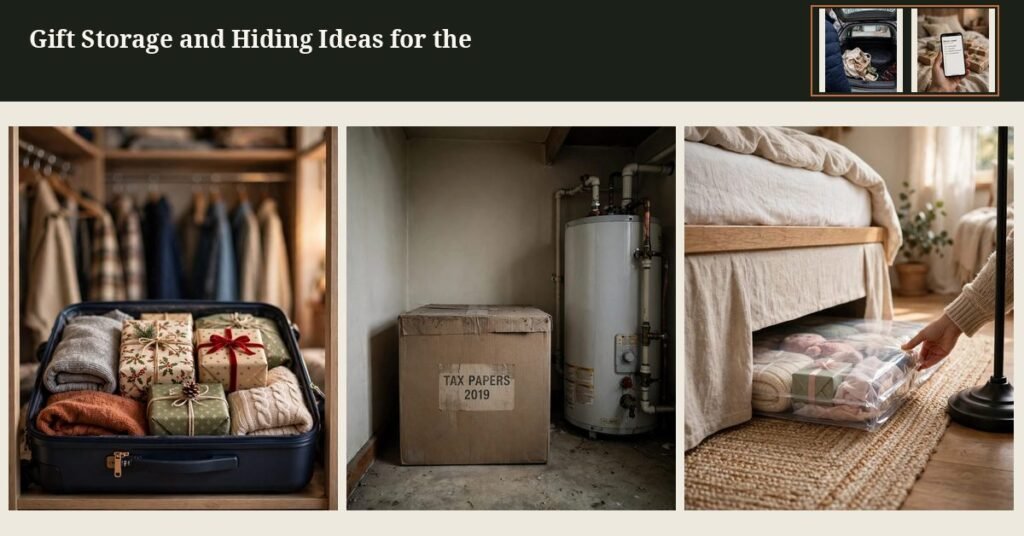
A suitcase is the best hiding spot most people already own. Luggage is designed to be packed tight, it locks, and it is socially invisible, nobody questions a suitcase sitting in a closet in December because travel season is over and nobody is looking for it.
The real trick is nesting: place small wrapped gifts inside the suitcase, zip it, and if it has a TSA combination lock, set it. A thief-snooping kid can unzip a closet box in seconds; a locked case requires tools, time, and motive.
For soft gifts like sweaters and scarves, pack them around the hard gifts as padding, which also stops rattling. A standard 21–22 inch carry-on holds roughly 6–8 medium boxed gifts; a 26–30 inch checked bag holds 10–14.
Keep the suitcase where luggage normally lives, the top of the bedroom closet or the guest-room corner, because a suitcase in a strange location invites questions.
Discovery risk: low
Tips for best results: Set a combination lock you will actually remember, write the code into your phone note system the same day (see point 9). Store the keyed lock key in your wallet, not in the same room.
Watch out: Never hide gifts in the suitcase you are taking on a holiday trip, forgotten gifts fly to another state. And do not lock a hard case so tight you cannot reopen it without the key; a forgotten combination means buying bolt cutters on Christmas Eve.
2. Empty Decor Bins Among Full Ones: Camouflage in Plain Sight
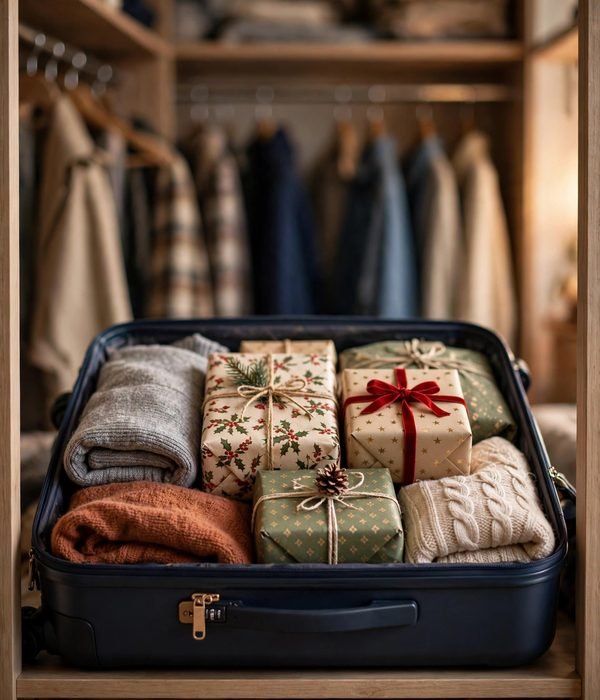
Your holiday decoration bins are a crowd, and a crowd is the best camouflage there is. Take one bin, ideally one of the smaller 18-gallon totes, empty it into the bins around it, and repack it with gifts, topping the layer with a bag of tinsel or a strand of garland as a false lid.
Then stack it back with the other bins in the garage, basement, or storage closet. A kid tearing through the decoration stash on tree-setup day will open a bin or two, see ornaments, and move on; the statistical odds of opening all six bins and then digging under the top layer are tiny.
This works because the searcher believes they already know what is inside every bin. Mark this bin’s actual identity on the side in pencil, light enough that only you see it.
Discovery risk: medium
What you can do with it:
- Hide medium boxed gifts up to about 16 inches on their longest side in a standard 18-gallon tote
- Use the decoy top layer, tinsel, garland, or one sad tangled light string, to sell the illusion at a glance
- Keep this bin as the SECOND or THIRD one opened, never the top of the stack
- Works especially well for gifts bought in early December after decorations are already up and the bins are “done”
3. The Decoy Label: Why “Tax Papers 2019” Never Gets Opened

Some boxes are protected by sheer boredom. A cardboard box labeled “Tax Papers 2019” or “Medical Receipts” in thick marker has a psychological force field, nobody volunteers to open it, and kids actively avoid it.
Buy a fresh pack of 12×12×12 inch moving boxes (about the size that stacks neatly in any closet), pack the gifts inside, and label the box with something aggressively dull. Rotate the dullness by audience: “Warranty Manuals” for a tech-savvy partner, “Insurance Correspondence” for anyone.
The label must look like it has been there for years, use a slightly faded marker or a printed label, not fresh Sharpie on a brand-new box. Store it in the natural habitat of boring boxes: the hall closet floor, beside the water heater, or the back of the garage.
One decoy box per house is plenty; two identical decoy boxes start looking like a filing system someone might reorganize.
Discovery risk: low
Tips for best results: Do not wrap gifts before boxing them in the decoy, unwrapped gifts in a decoy box stay boring; one peek at wrapping paper ends the illusion. Keep the box under 15 pounds so you can move it quickly on Christmas Eve.
Watch out: The decoy must never hold anything actually valuable to lose, a real houseguest “helping you tidy” could donate the box. And never label it with anything a family member might genuinely need, like “Passports,” or your trick becomes an emergency.
4. The High Closet Shelf Behind the Linens: Out of Reach, Out of Mind
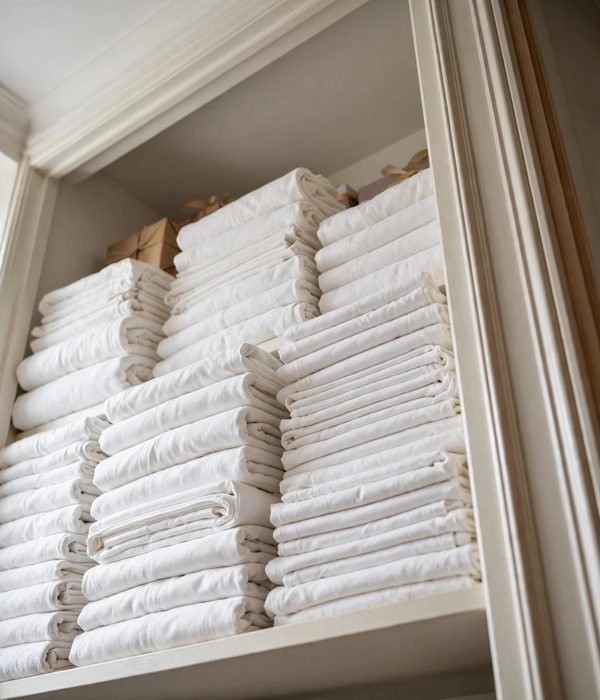
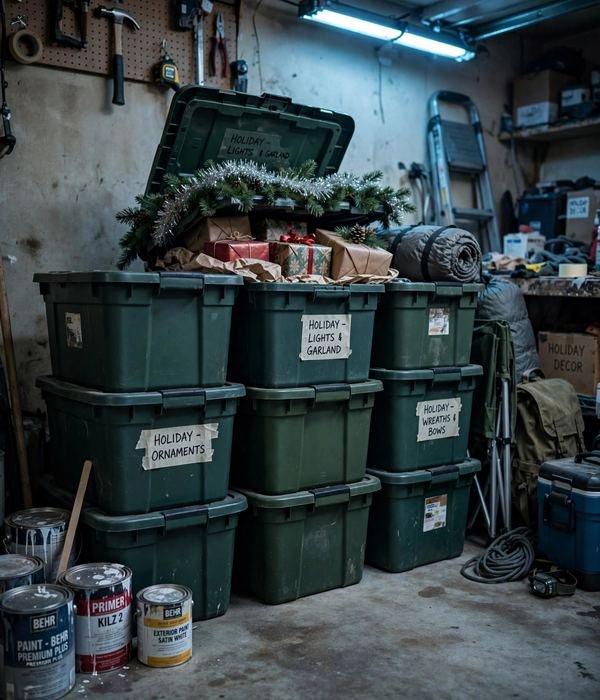
The shelf above 6 feet in your bedroom closet is the zone kids under ten cannot see into, and most partners will not climb for.
But an empty high shelf with gifts sitting in the open is still visible from the doorway at an angle, the upgrade is hiding the gifts behind the folded spare linens and guest blankets that already live there.
Stack the linen pile 8–10 inches deep at the front edge of a shelf that is at least 12 inches deep, and slide flat and medium gifts behind it. A standard closet shelf is 12–14 inches deep and can hide a row of book-sized and shoebox-sized gifts completely behind a linen wall.
The weakness is discovery during a genuine linen hunt, so pick the shelf nobody uses: the top shelf of the guest-room closet beats your own bedroom’s.
Discovery risk: medium
What you can do with it:
- Hide flat gifts (books, tablets, framed photos) and anything up to shoebox size behind a stacked linen barrier
- Use the guest-room or hall closet’s top shelf, lower foot traffic than your own closet
- Slide gifts in flat and deep, never stacked in a visible tower behind the linens
- Pair this spot with your inventory note (point 9) since “behind the guest sheets” is exactly the kind of spot you will forget by December 23rd
5. Under-Bed Vacuum Bags: Flat Gifts, Zero Bump
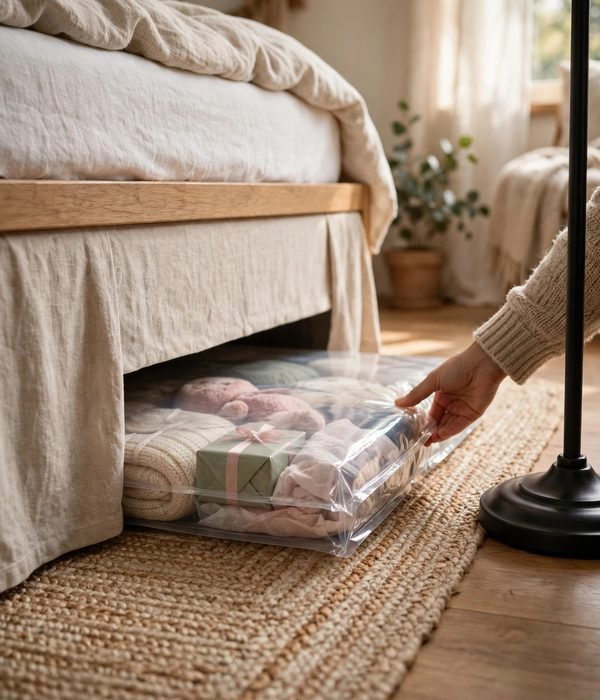
The space under the bed is the most-checked hiding spot in the house, unless it looks completely empty. Vacuum-seal storage bags compress soft gifts (sweaters, hoodies, blankets, stuffed animals) down to 3–4 inches thick, which slide flat under a bed with 7 inches of clearance and leave no visible bump under the bed skirt.
A large vacuum bag (about 31×39 inches) swallows two to three sweaters or a full throw-blanket set; the jumbo size (around 40×52 inches) handles a comforter or a pile of kids’ clothes. Once vacuumed, the bag is a hard flat slab that does not shift, rattle, or look like anything but a storage slab.
The genius detail: a bed skirt or a low-profile storage bed makes the whole thing invisible from any angle, and even a kid who lifts the skirt sees what looks like off-season bedding storage. Mark each bag’s contents on a removable tag so you do not vacuum-seal three gifts and forget which slab is which.
Discovery risk: low
Tips for best results: Vacuum the bag, then slide it under the bed the same day, a sealed bag sitting in the living room for a week is a curiosity. Keep the hand pump or vacuum hose access quiet: seal bags while the house is empty or the kids are at school.
Watch out: Vacuum bags are for SOFT gifts only. Hard boxes get crushed edges and rattling contents give them away. And never stack more than two slabs, a tall pile under the bed skirt bulges visibly from the side.
6. Garage Tote Rotation: Move the Target Every Few Days
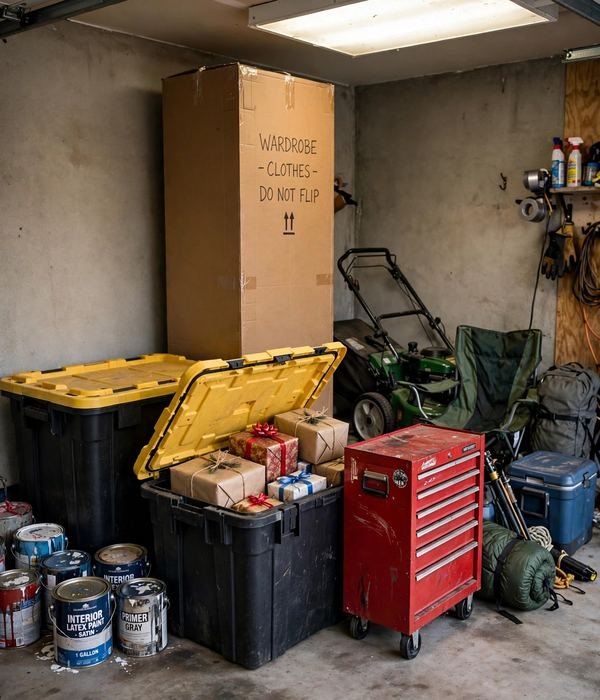
The garage is a big, cold, boring room that kids enter only under supervision, which makes it excellent gift storage, with one catch: anything left in one obvious spot for three weeks gets found during the great “where are the outdoor cushions” expedition. The fix is rotation.
Keep two 27-gallon heavy-duty totes (roughly 30×20×15 inches, the workhorse size) in the garage; hide gifts in one, and every few days, when you take out the trash or grab the car, shift which tote holds the gifts and nudge both totes to a new position among the paint cans and camping gear.
A moving target beats a perfect spot. The garage also handles the oversized gifts that defeat every indoor spot: the bike, the dollhouse, the Lego Death Star box. For those, an appliance box or a wardrobe moving box (24×24×48 inches) labeled with garage-appropriate dullness sits happily behind the lawn equipment.
Discovery risk: medium
What you can do with it:
- Store oversized gifts that fit nowhere indoors, bikes, play kitchens, big boxed sets, in wardrobe-size moving boxes
- Rotate two totes so no single tote is “the gift tote” for more than a few days
- Tuck totes behind or between legitimate garage residents: paint cans, tool chests, camping bins
- Keep a small step stool OUT of the garage in December so high shelves stay adult-only territory
7. The Car Trunk Protocol: Storage Where Nobody Looks
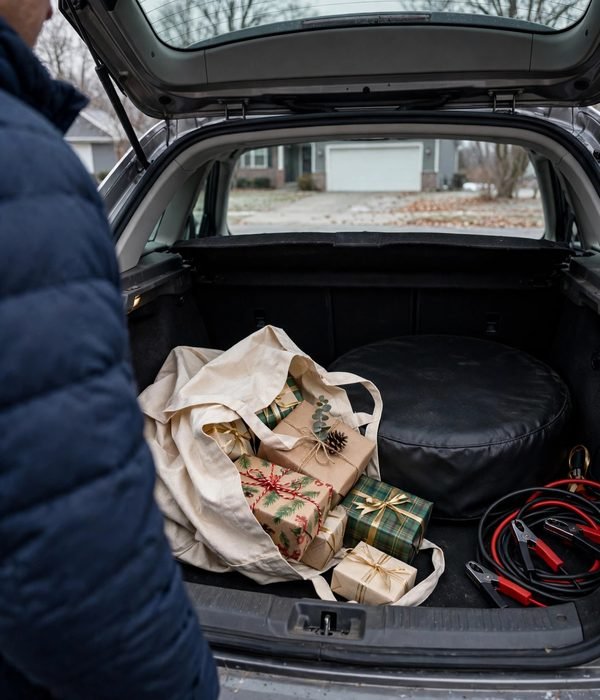
The trunk of the family car is the hiding spot nobody in the house searches, because nobody thinks of the car as part of the house. It is perfect for last-minute gifts bought on a lunch break or a Saturday errand run, they go straight into the trunk, and the trunk becomes their holding cell until wrapping night.
The protocol part matters: gifts live in the trunk only as a transit stage, never as final storage, because a trunk has real caveats.
Winter cold is actually fine for most gifts, but summer-level heat in a parked car destroys candles, chocolate, vinyl records, and anything with a lithium battery, so this protocol is strictly for hardy goods in cold months, or for same-day transfers.
Security caveat: never leave visible gift bags on the back seat; everything goes in the trunk, and the car stays locked. Insurance-wise, gifts stolen from a car are a headache you do not want in December, so this is a days-long staging spot, not a weeks-long vault.
Discovery risk: low
Tips for best results: Keep a collapsed tote bag or a small duffel in the trunk year-round, gifts go inside it so a single trunk opening reveals nothing gift-shaped. Move trunk gifts indoors on your next solo trip inside, wrapped or boxed, never loose.
Watch out: Heat kills: never store candles, chocolate, cosmetics, or anything with batteries in a trunk (or an attic, attics hit 130°F in summer and melt wax, warp vinyl, and cook batteries).
And never hide gifts in a car someone else drives daily without telling them; a partner finding gifts early is a tragedy, a partner driving off with them is a farce.
8. Gift-Wrap Station Camouflage: The Wrap-on-Arrival Rule
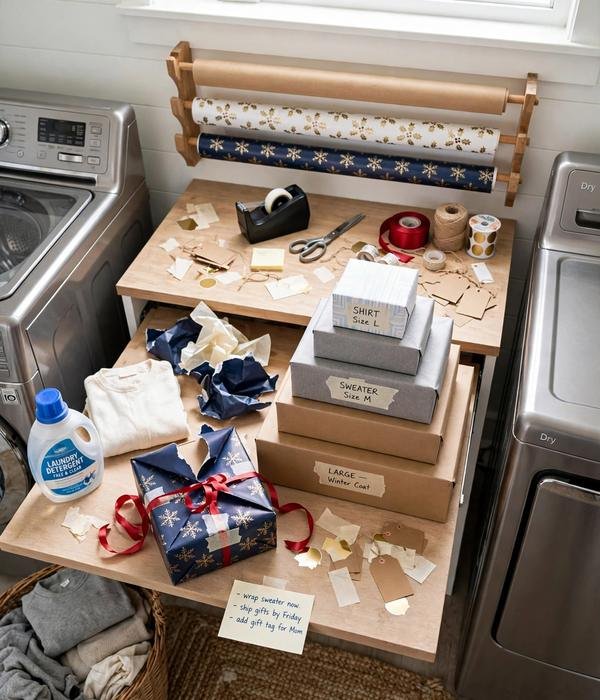
The single most effective anti-discovery habit is not a spot at all, it is a rule: every gift gets wrapped within 24 hours of entering the house. Unwrapped gifts are the number one way hiding spots fail, because an unwrapped gift is recognizable from across the room while a wrapped one is just a box.
Set up a wrap station somewhere adults-only, the laundry room, your bedroom closet floor, or a corner of the home office, with a 30-inch wrapping paper roll rack, a tape dispenser, scissors, and a stack of gift boxes in the three standard sizes (shirt 15×10×2, sweater 18×14×4, large 24×18×6 inches).
Keep the rolls themselves tidy with proper wrapping paper storage ideas so the station never looks like a secret operation. When a gift arrives, it goes straight to the station, gets wrapped, and gets logged (point 9) before it moves to its hiding spot.
Wrapped gifts can then live in much weaker hiding spots, because a wrapped gift under a bed is deniable, “oh, those are the donation boxes.” The wrap station itself should look like a craft project in progress: leave a half-wrapped box and some ribbon out, and it reads as “Mom’s wrapping,” which everyone politely ignores.
Discovery risk: low
What you can do with it:
- Turn ANY hiding spot up one safety level by wrapping first, a wrapped gift is anonymous, an unwrapped one is evidence
- Keep the three standard gift box sizes on hand so odd-shaped gifts become neat anonymous rectangles
- Run the station in an adults-only zone: laundry room, master closet, or home office corner
- Leave decoy supplies (plain brown paper, string) visible and hide the good paper, kids who “help wrap” should only see the boring stuff
9. The Master Inventory Note: The Phone Log That Saves Christmas
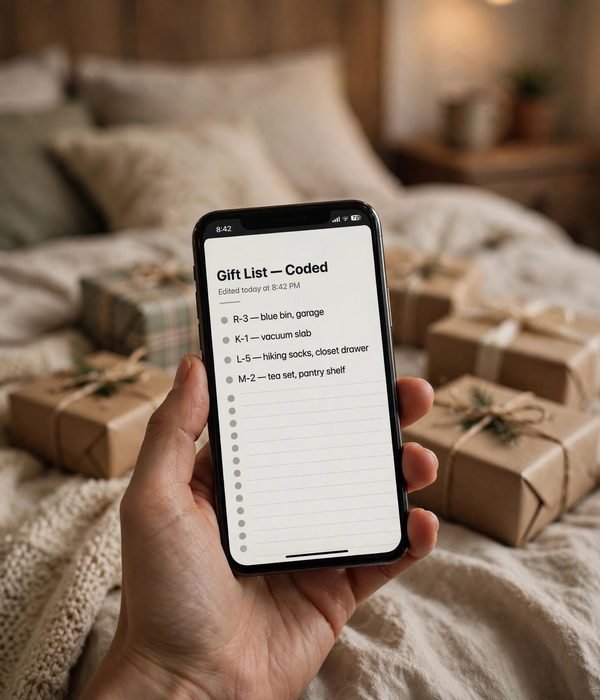
Every hiding system in this article fails without this one. The master inventory is a single note on your phone, not paper, which gets lost, listing every gift, who it is for, and where it is hidden, written in code.
The code matters because the note itself is discoverable: a kid who opens your notes app on Christmas morning should read “Blue bin, garage, behind paint” and learn nothing. Use color or number codes you assign per recipient: “R-3” means the third gift for your partner, “K-1” the first for the kids.
The note also prevents the two classic December disasters: buying a duplicate because you forgot you already bought it, and finding an unwrapped gift in February. Update it the moment a gift enters the house, 20 seconds of typing that saves hours of panic.
Share the code key with your partner only, and keep a backup: email the note to yourself or screenshot it into a locked photo album. On wrapping night, the inventory becomes your packing list; on Christmas morning, it becomes your proof that every gift made it under the tree.
Discovery risk: n/a, this is the system that runs the other eight
Tips for best results: Write the note in the same app you actually open daily, a note buried in an app you never open is a note you will not update. Add a December 23rd reminder to yourself: “check inventory against wrapped pile.”
Watch out: Never use real names in the note. And never keep the ONLY copy on a phone your kids play games on without a locked-notes feature, the code only protects you if the note itself is hard to open.
Conclusion
Safest hiding spot: the locked suitcase nest (point 1). It wins because it combines the three things that actually defeat snooping, a lock, a socially invisible location, and contents that do not rattle or bulge.
The decoy label box is a close second for pure psychology, and the wrap-on-arrival rule is the habit that makes every other spot twice as safe. But the real pick, the one that determines whether Christmas morning goes smoothly, is the master inventory note: nine perfect hiding spots are worthless if you forget where the ninth gift is.
Run the spots, keep the list, and wrap on arrival, and December 10th will come and go with every secret intact. And once the season is over, browse organization gifts to turn next year’s hiding spots into gifts that keep the whole system organized.
Frequently Asked Questions (FAQ)
What if my kids have already found gifts in past years?
Then assume every old spot is burned and start fresh with the low-risk tier: locked suitcase, decoy label box, and vacuum slabs under the bed.
If your kids are old enough to have found gifts before, they are old enough to check the old spots first, so this year, hide nothing in any location that has ever held a gift, and lean on the wrap-on-arrival rule since wrapped gifts survive even a discovered spot.
Where should I never hide Christmas gifts?
Never in the attic or any uninsulated space for heat-sensitive items, attics reach 130°F and will melt candles and chocolate, warp vinyl records, and damage lithium batteries. Never anywhere damp like an unsealed garage corner for paper-wrapped gifts.
And never in a spot you will need to access for a legitimate reason mid-December, like the suitcase you are packing for a holiday trip.
How do I hide gifts from my partner, not just the kids?
Partners defeat kid-proof spots because they share your closet and your car. Use spots outside their routine: the trunk of YOUR car (not theirs), the guest-room closet’s top shelf, or a decoy box in the garage they never organize.
The coded inventory note matters most here, a partner who glimpses “Tax Papers 2019” will not blink, but one who sees a note reading “diamond bracelet, sock drawer” is done snooping.
How early should I start hiding gifts?
Start the system the day the first gift enters the house, even if that is early November.
The wrap-on-arrival rule and the inventory note cost nothing to start early, and early gifts are the ones most often forgotten, a gift bought November 8th and logged immediately is safe; the same gift tossed in a closet “temporarily” is the one discovered in February.
What do I do with gifts that are too big to hide?
Oversized gifts, bikes, play kitchens, furniture, cannot be hidden, only disguised. Use the garage in a wardrobe-size moving box with a dull label, or hide them at a trusted friend’s or relative’s house until Christmas Eve.
If neither works, wrap what you can (handlebars, a single wheel) and lean into misdirection: a giant box labeled “do not open until Christmas” is suspicious, but the same box labeled “water heater parts” in the garage is invisible.