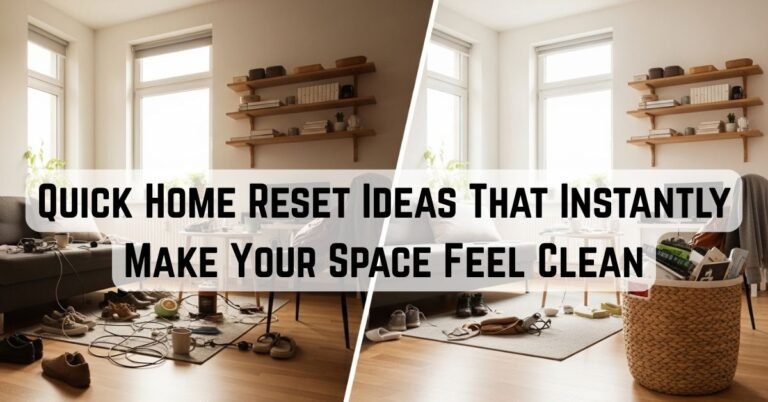
My home didn’t suddenly become messy.
It built up quietly. A few things were left out, something placed for later, something I didn’t feel like dealing with at that moment. None of it looked serious.
But together, it changed how the space felt.
Not fully messy. Just heavy. Like it needed attention, I didn’t have time for.
I used to think the only fix was cleaning.
But most of the time, I didn’t need everything cleaned. I just needed the space to feel under control again.
That’s where these hide mess without cleaning ideas started to make sense.
I had seen the same pattern before in setups like small apartment storage tricks, where spaces only stay manageable when the system supports everyday use.
Why Hiding Mess Works
What bothered me wasn’t always the amount of mess.
It was how much of it I could see.
Too many things in sight made the space feel chaotic. My attention kept moving from one object to another, even if none of them were a real problem on their own.
I tried organizing everything properly.
That took time, and it required decisions I didn’t want to make in the moment.
What worked faster was reducing what stayed visible.
Because the brain reacts to what it sees first.
Once that visible layer changed, the space felt calmer almost immediately. Not because everything was fixed, but because it no longer felt overwhelming.
That shift was enough to bring back a sense of control.
1. Clear Surfaces First
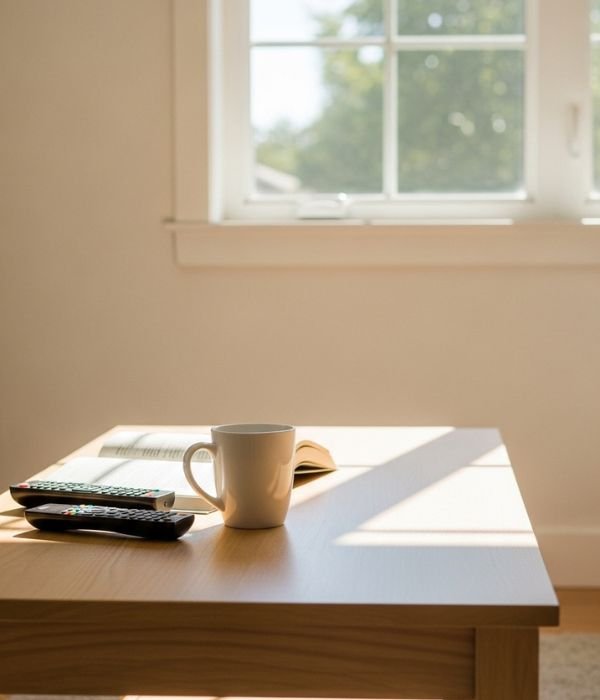
The first place clutter showed up wasn’t the whole room. It was the surfaces. Tables, counters, and shelves slowly collected everything because they were always within reach, and over time, they stopped feeling temporary.
I noticed a similar shift when using wall storage ideas in the living room, where moving items off surfaces reduces how much they build up.
What I didn’t notice at first was how quickly a surface changes role. Once a few things stay there, it stops being a place to pass through and starts acting like storage, even if it wasn’t meant to.
I tried keeping them clean all the time, but that didn’t last because the behavior stayed the same. What worked was resetting them instead, clearing just enough to remove that buildup so the surface didn’t carry the weight of everything else.
2. Use a Single Basket to Collect Everything
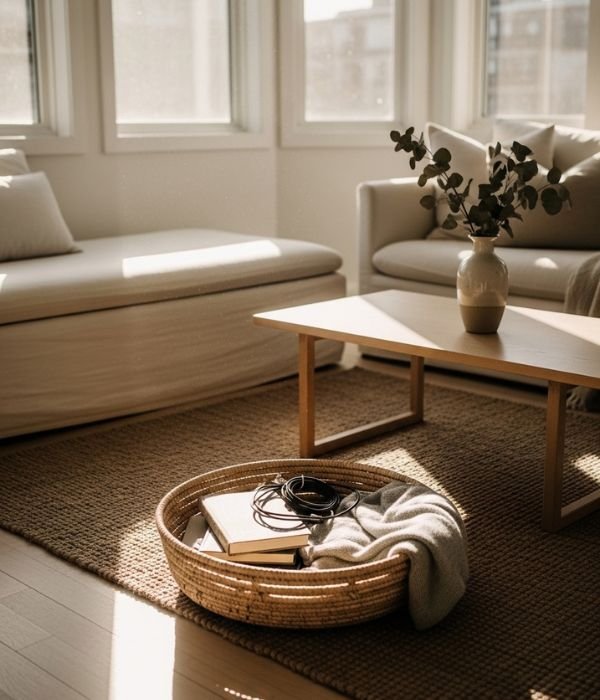
There were moments when the mess wasn’t large, but it was scattered across different spots. Nothing felt urgent on its own, but together it created a constant background distraction.
The problem wasn’t the items; it was the number of small decisions they required. Putting things back one by one meant thinking about each one, and that’s what slowed everything down.
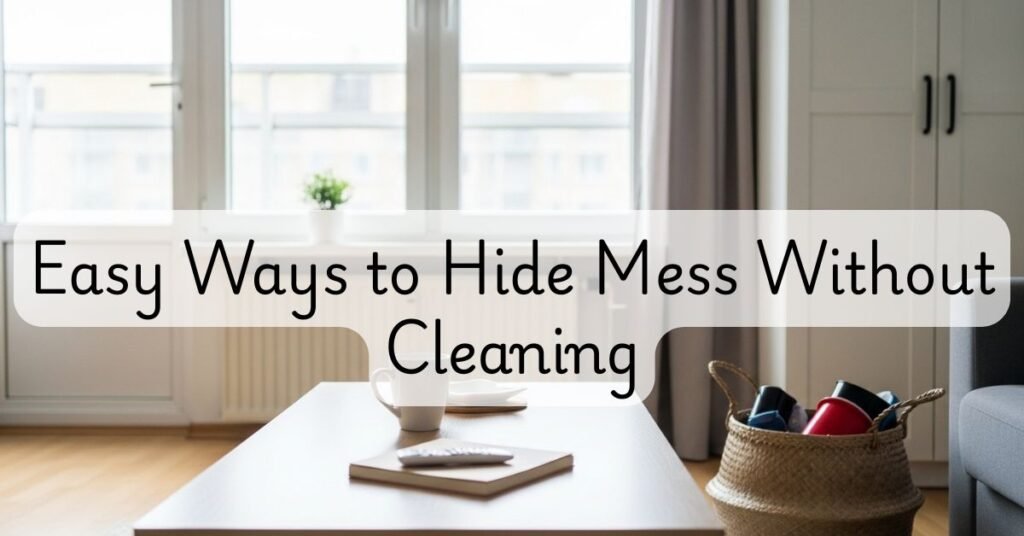
Using one basket removed that friction. Collecting everything in one pass shifted the space instantly, because once the visual spread disappeared, the room stopped feeling overwhelming even before anything was organized.
It works the same way as a drop zone storage setup, where everything has a quick place to land without needing immediate decisions.
3. Do a Quick Trash Pass
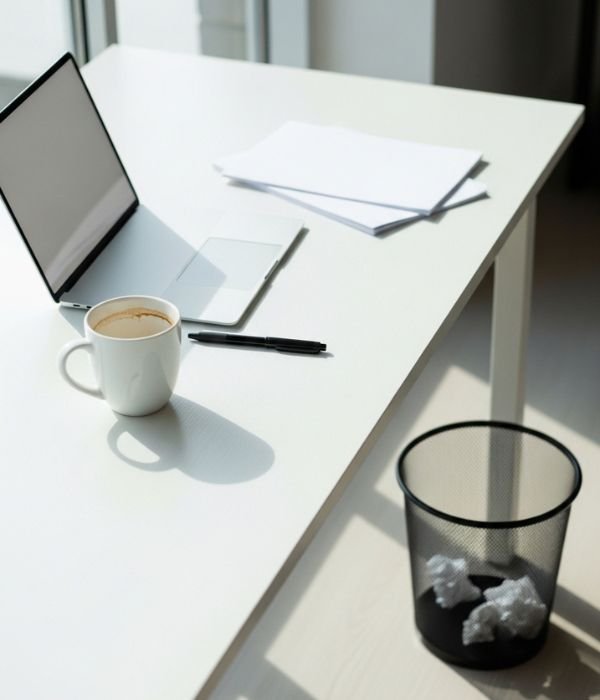
A surprising amount of clutter wasn’t something I needed to organize. It was just things that had already served their purpose but stayed because they were easy to ignore.
That kind of clutter blends into the background, but it still adds weight to the space. It fills surfaces, corners, and edges without being obvious.
Once I focused on removing it, the difference was immediate.
Removing unnecessary items first is often the fastest way to reduce clutter before organizing anything else.
A quick trash pass reduced the volume of the mess without requiring any decisions, and that made everything else easier to deal with afterward.
4. Close Storage to Hide What You Can
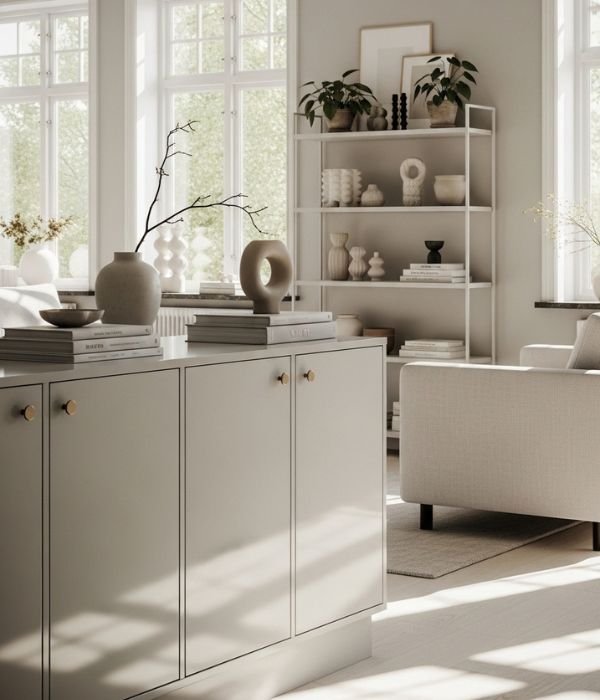
Some areas weren’t actually disorganized. They just felt busy because everything was visible at once. Open shelves and partially exposed storage made the space feel more crowded than it really was.
The issue wasn’t how things were arranged; it was that there was too much to process visually. Even well-placed items still added to that noise.
Closing things changed that instantly. Doors, drawers, and lids didn’t remove the clutter, but they removed the need to see it, and that was enough to make the space feel calmer.
5. Fix the Entry Area
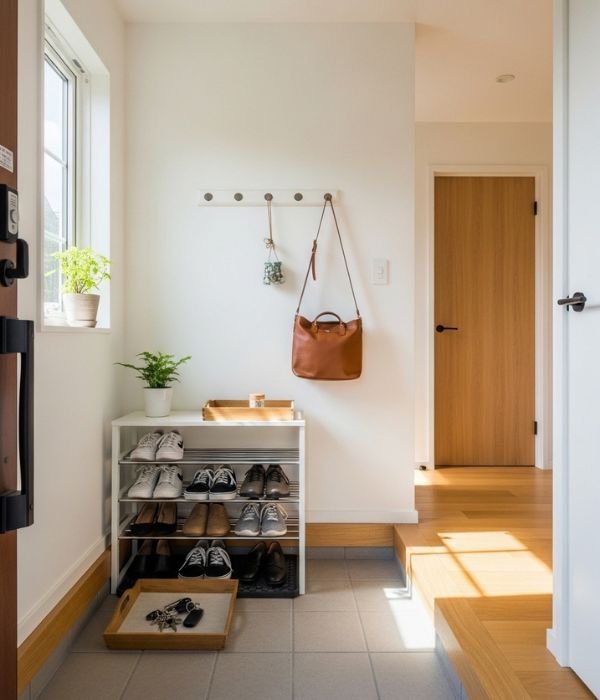
The entry wasn’t just another part of the room. It was where everything started, and what happened there set the pattern for the rest of the space.
Shoes, bags, and keys didn’t stay contained unless they were handled immediately. If they sat there even briefly, they spread into nearby areas without much effort.
I used to think organizing that space was the solution, but what mattered more was timing. Resetting it right away stopped that spread before it started, and once it stayed contained, the rest of the room didn’t carry that same buildup.
6. Clear the Floor
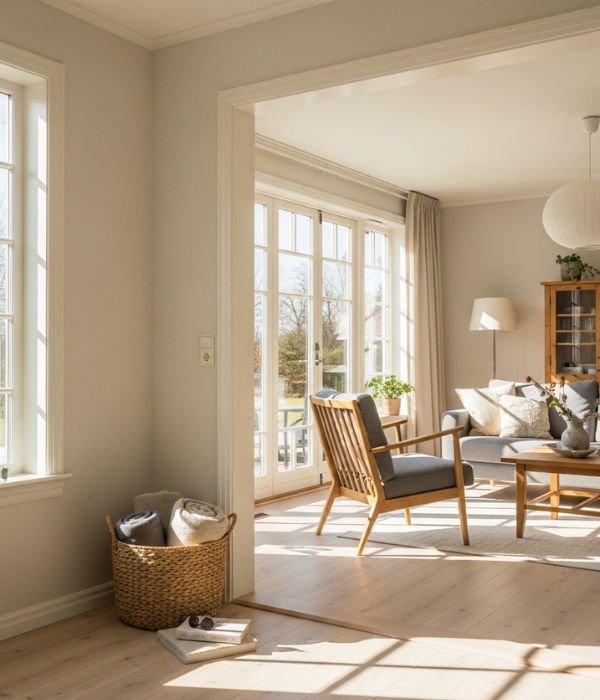
The floor changed how the room felt more than I expected. Even a few items out of place made the space feel heavier, like movement was slightly blocked even when it wasn’t.
That weight wasn’t about quantity; it was about interruption. The eye keeps noticing what shouldn’t be there, and that creates a constant sense of disorder.
Once I cleared it, the shift was immediate. It didn’t organize the space, but it removed that visual interruption, which made the room feel open again without doing anything else.
7. Straighten Fabrics
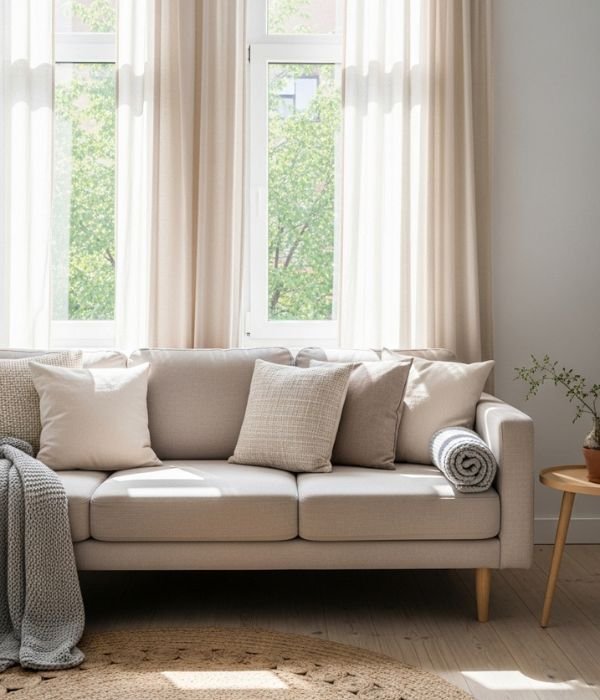
Soft surfaces affected the space more than I expected. A bed that wasn’t made, cushions slightly out of place, or a blanket left uneven could shift how the entire room felt, even when everything else was fine.
The reason wasn’t clutter in the usual sense. It was a visual irregularity. When fabric looks unstructured, the space feels unfinished, even if nothing is technically wrong.
Once I started adjusting those surfaces, even slightly, the room settled immediately. It didn’t remove anything, but it removed that unfinished feeling, which made everything else appear more controlled.
8. Adjust Lighting
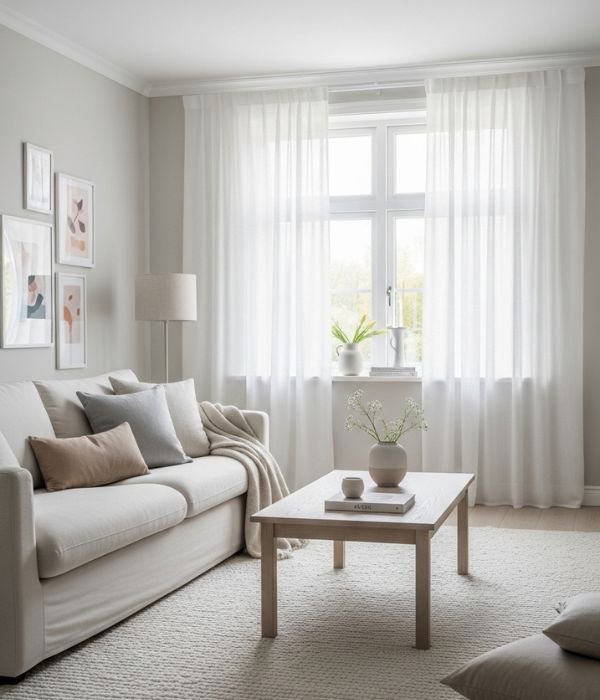
Lighting changed how much of the mess I actually noticed. In brighter light, every detail stood out, including things that didn’t matter as much as they seemed.
I used to think the space itself was the problem. But sometimes it was just how clearly I could see everything at once.
Once I adjusted the lighting, the space softened. It didn’t remove the clutter, but it reduced its visual intensity, which made the room feel calmer without changing anything physically.
9. Create a Temporary Hidden Zone
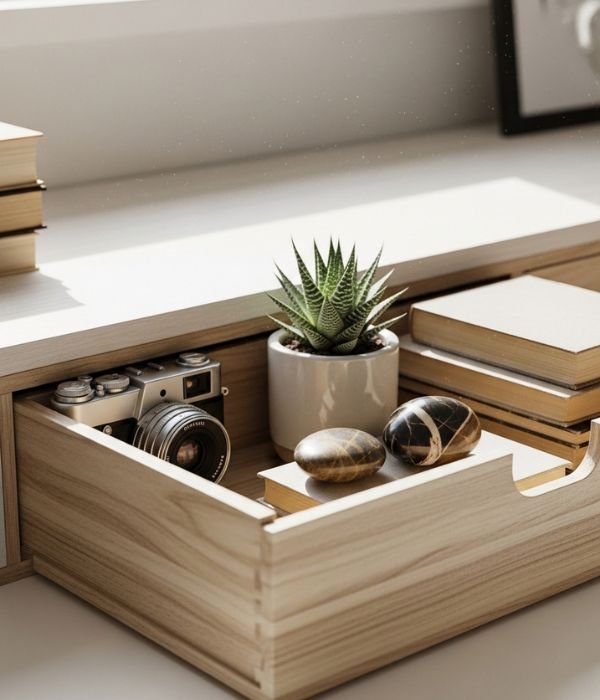
Some items didn’t need immediate attention, but leaving them out made the space feel crowded. They stayed visible longer than they needed to, which kept adding to the overall noise.
The problem wasn’t the items themselves; it was that they had no temporary place to go. Without that, they stayed in circulation instead of being contained.
Creating a single hidden zone changed that.
It follows the same idea behind hidden storage ideas, where less visible items reduce pressure on everyday spaces.
One drawer, one box, one controlled space was enough to stop the spread, even if the items weren’t dealt with right away.
10. Clean One Visible Area Only
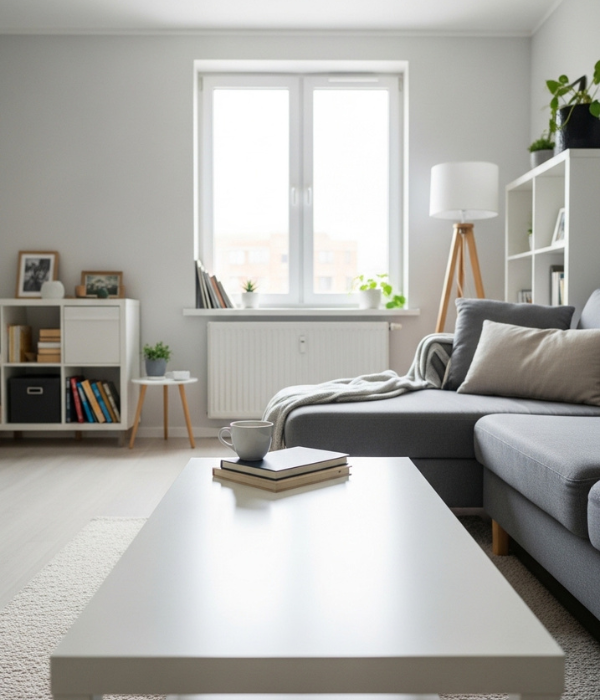
I used to think the whole room needed to be fixed for it to feel better. That idea alone made starting feel heavier than it needed to be.
In reality, most of the visual pressure came from one area. A surface, a corner, or a spot that kept drawing attention every time I looked at it.
Once I cleared that one area, the room felt different immediately. Nothing else changed, but the most visible problem was gone, and that was enough to reduce the overall weight of the space.
11. Use a 5-Minute Reset Combination
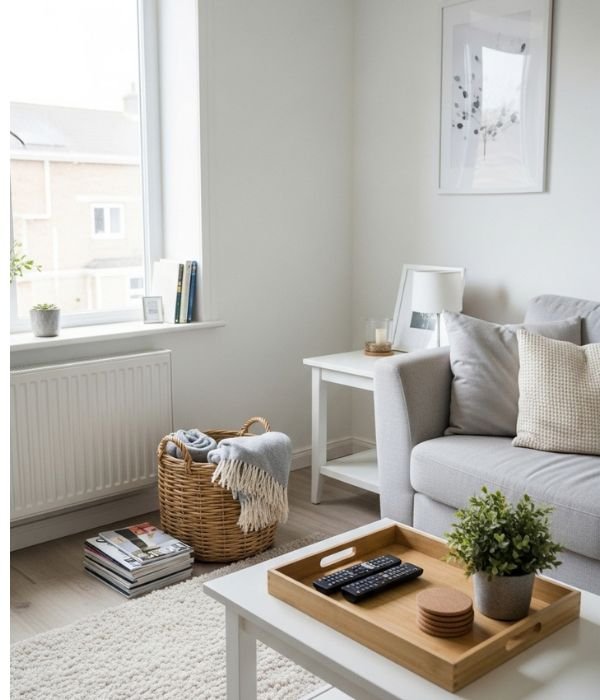
The biggest shift came when I stopped treating this like a full reset. Trying to fix everything at once made it feel like something I needed to plan for, which made it easier to delay.
What worked instead was combining a few small actions into a short reset. Not everything, just enough to change the visible state of the space.
That mattered more than I expected. Because once the reset was small enough, it stopped feeling like effort, and that’s what made it repeatable.
What Actually Makes Hide Mess Without Cleaning Work
What took me time to understand wasn’t how to hide the mess, but why it worked at all. The amount of clutter didn’t always change, but the way the space felt did.
That shift came from visibility.
When too many things are in sight, the space feels heavier than it actually is. The brain reacts to what it sees first, not what exists in the background.
Once that visible layer was reduced, the space felt calmer almost immediately. That’s why hiding mess without cleaning works in practice, even when nothing is fully organized.
It doesn’t solve the clutter, but it removes the pressure of it.
That’s what makes this approach useful. It doesn’t replace cleaning, but it creates a sense of control when there isn’t time to fix everything properly.
Frequently Asked Questions
How can I hide mess quickly before guests arrive?
Clear the surfaces first, gather loose items into a single basket and do a quick trash pass. Then close cupboard doors and tidy the entry area, because those are the spots people notice first.
Is hiding mess the same as cleaning?
No. Hiding mess reduces how much clutter you can see so the room feels calmer right away. It buys you time, but the items in the basket or hidden zone still need to be put away later.
Which areas make the biggest difference when I am short on time?
Surfaces, the floor and the entry area. Clearing those three and straightening soft furnishings like cushions and bedding changes how the whole room reads, even if nothing else has been touched.
How do I stop a temporary hidden zone from becoming permanent clutter?
Keep it to one container or one cupboard, and empty it during your next proper tidy. If it fills up again within a day or two, those items need a permanent home.
Final Thoughts
I used to think I had to clean everything to feel better about the space.
But most of the time, I just needed to reduce what I was seeing.
That didn’t solve the problem completely.
But it gave me control back.
And sometimes, that’s enough.
If your space feels overwhelming but you don’t have time to clean, you don’t need to fix everything.
You just need to shift what’s visible.
Start small.
Because even a small change can make the whole space feel different.