- Why December is a capacity problem, not a willpower problem
- The 20-item pre Christmas declutter checklist, room by room
- Time estimates and donate/trash/recycle verdicts for every item
December will move roughly 30 to 40 cubic feet of stuff into your home: a boxed tree takes 9 to 12 cubic feet, two 18-gallon decor bins take about 10, gifts add another 8 to 15, and the food surge fills whatever is left.
This pre Christmas declutter checklist clears that volume first, so nothing arrives to a house that has no place for it. Twenty items, 420 minutes total, each with a time estimate and a verdict, donate, trash, or recycle. Work it room by room over two weekends, about 3.5 hours each, and December moves in without the pile-up.
Every item targets the clutter that specifically competes with holiday guests, decor, and storage, this is not a whole-house purge, it is a targeted capacity release before the busiest month of the year.
Why December Is a Capacity Problem
Holiday clutter is not a discipline failure, it is arithmetic. A typical American household spends $900 to $1,100 on gifts, which converts to 10 to 20 wrapped boxes; the tree, decor bins, extra food, guest bedding, and incoming packages stack on top.
Meanwhile the average small home has only 4 to 6 square feet of truly empty storage surface at any given time. When 35 cubic feet of December arrives into a home with no buffer, it lands on counters, chairs, and entryway floors, and stays there until March.
A focused holiday declutter works because it removes the specific categories that compete for the same square footage December needs: the coat overflow that blocks the door guests use, the expired pantry items occupying the shelves holiday baking needs, the broken decor that takes up a full bin while looking like clutter.
Clear first, then decorate. full room-by-room decluttering guide When the buffer exists, the season feels calm instead of crowded, and January’s put-away takes half the time.
Save this: the 420-minute math. 20 items × 10–30 minutes = 7 hours total, split over two weekends. Typical yield: 6–10 bags or boxes out the door, roughly the same cubic footage December brings in. Do items 1–10 the first weekend (entry, kitchen, guest areas), 11–20 the second (garage, closets, storage).
One rule holds all month: nothing new comes in without something old going out.
1. Coat Overflow at the Front Door: Free the First Five Feet
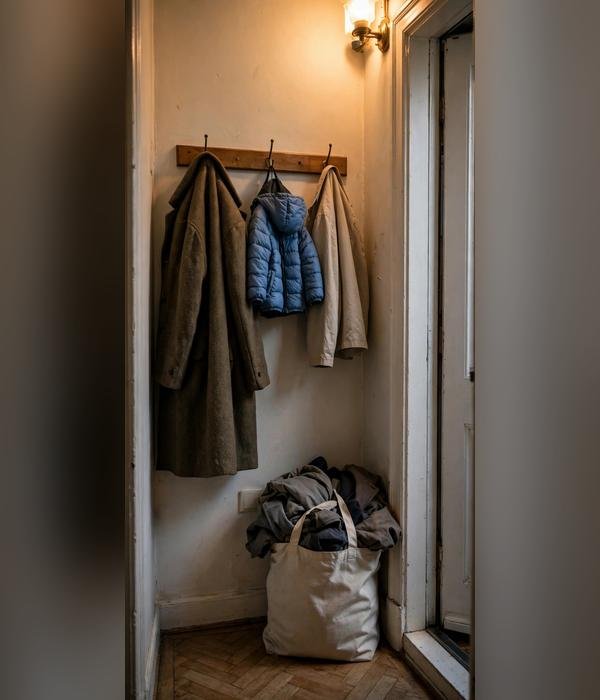
Every guest in December walks through your entryway first, and a door blocked by four coats nobody wore since March sets the tone. The mechanism is simple: entryways only have 4 to 6 feet of functional depth, and each hanging coat eats about 3 inches of rod space plus swing room.
Pull everything out, keep one coat per person plus one guest coat, and bag the rest.
⏱ Time: 10 minutes Verdict: Donate good coats; recycle worn-out ones as textile recycling. Where it goes: Donation bag by the door, drop it at a collection bin this week, before holiday donation drives fill up in December.
2. Expired Pantry Items: Clear the Holiday Cooking Zone
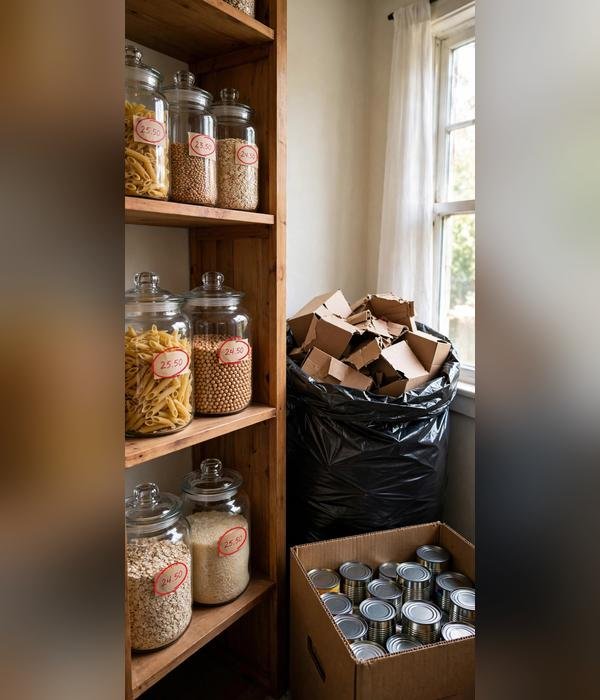
Holiday baking and hosting need shelf space, and the average pantry holds 8 to 12 expired or stale items at any time, old baking powder that no longer leavens, crackers from last spring, spice jars older than two years.
Work shelf by shelf and check dates: anything expired goes, anything you will not cook in December goes to the food bank while it is still good.
⏱ Time: 20 minutes Verdict: Trash expired food; donate unexpired items you will not use. Where it goes: Trash bag for expired; donation box for good food, food banks see the most demand in November, so donate early.
3. Expired Fridge Items: Make Room for December Groceries
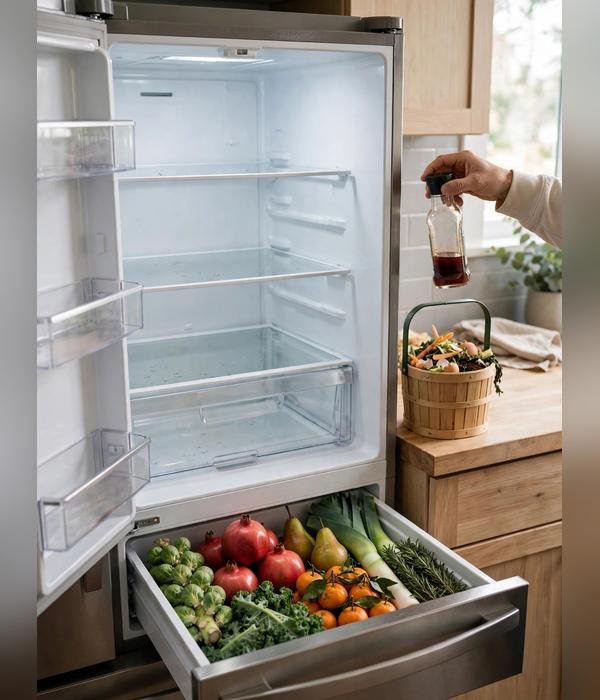
December groceries arrive in waves, a turkey that needs 24 hours per 4 to 5 pounds of fridge thawing space, pie ingredients, party platters. A full fridge forces new food onto the counter, where it spoils faster.
Toss expired condiments (open mustard and ketchup last about a year; mayo about 2 months once opened), fuzzy produce, and the mystery leftovers.
⏱ Time: 20 minutes Verdict: Trash or compost. Where it goes: Compost bin for produce; recycling for the emptied jars and bottles after a rinse.
4. Last Year’s Gift Wrap: Sort Before You Rebuy
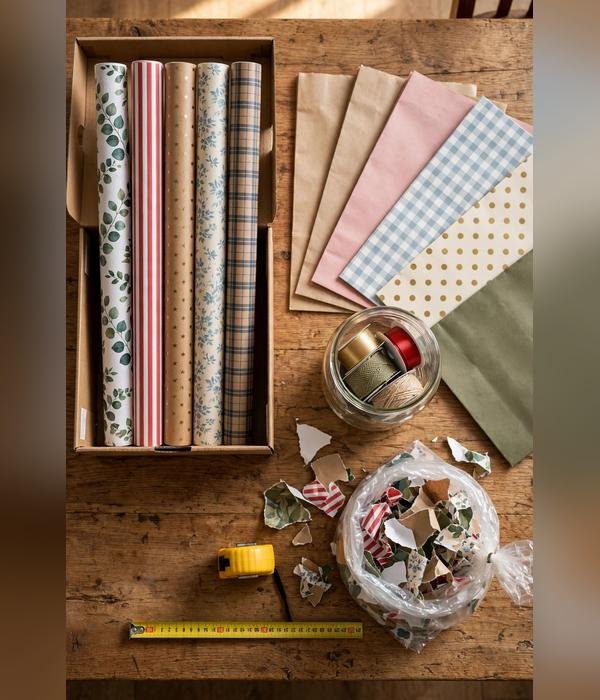
Most households rebuy wrapping supplies every year because last year’s leftovers are a tangled pile nobody wants to dig through. Pull it all out: toss torn paper, crumpled tissue, and dried-out tape; keep full rolls, flat gift bags, and usable ribbon.
A standard 30-inch roll needs only a 3-inch slot, a shoebox or a hanging organizer holds an entire sorted stash.
⏱ Time: 15 minutes Verdict: Recycle torn paper (not foil or glitter); trash dried tape. Where it goes: Sorted supplies into one bin or bag, and make a note of what you actually need before the sales start. gift storage and hiding ideas for the holidays
5. Broken Lights and Decor: Test Before December
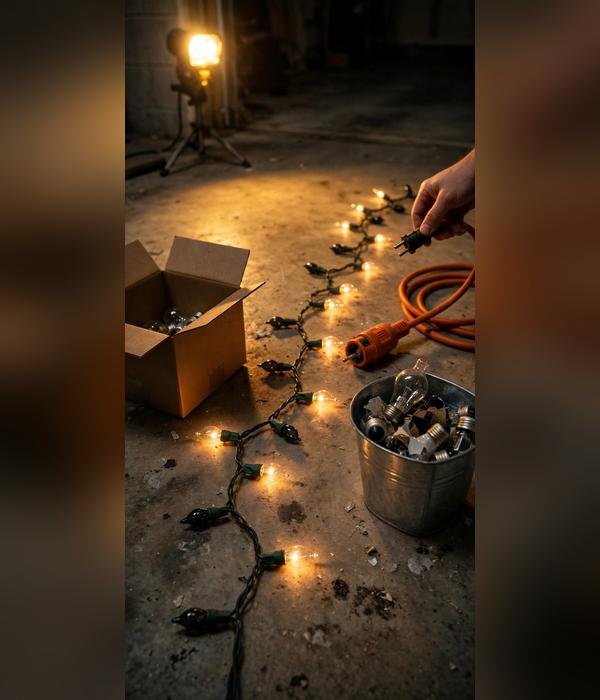
Nothing wastes December evenings like discovering half your lights are dead on the day you planned to decorate. Pull out every string, plug each one in, and toss the dead ones, a string with more than a quarter of its bulbs out or a frayed cord is not worth repairing, and damaged cords are a genuine fire risk.
Note what you need to replace so you buy once, on purpose.
⏱ Time: 30 minutes Verdict: Trash damaged cords and dead strings; recycle bulbs where your area accepts them. Where it goes: Electronics recycling for light strings if your city takes them; trash for the rest.
6. Kids’ Toys: Pre-Holiday Rotation
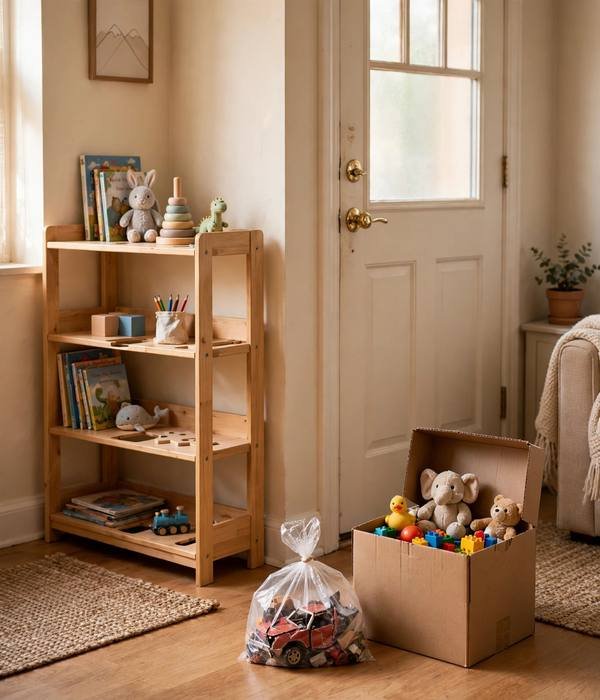
New toys arrive in December whether you plan for it or not, so clear the landing zone now. Have each child pick 5 to 10 toys to box up for a relative, friend, or donation, framed as making room for what’s coming, not as punishment.
Broken toys and games with missing pieces go straight out; they were never going to be played with again.
⏱ Time: 30 minutes Verdict: Donate working toys; trash broken ones. Where it goes: Donation box by the front door for this week’s drop-off, toy drives accept donations through early December.
7. Guest Room Surfaces: Clear the Landing Pad
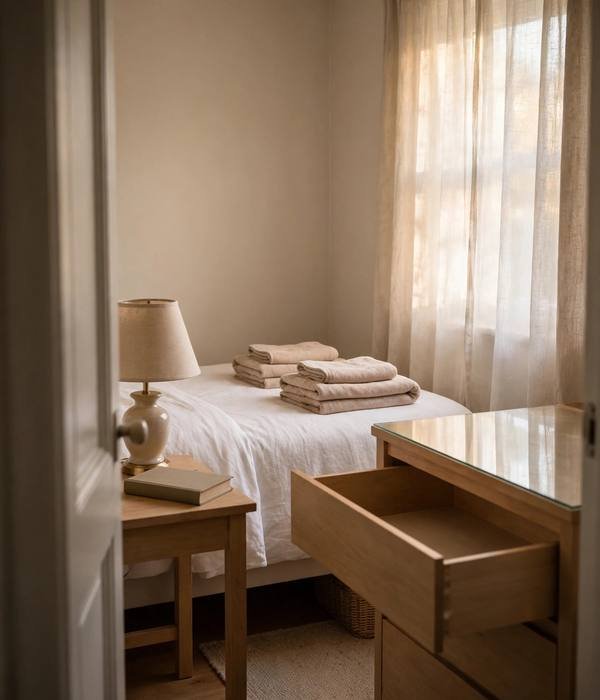
Overnight guests need three things: a clear surface for a phone and book, 3 to 4 feet of closet rod, and one empty drawer. Most guest rooms are currently the house’s overflow storage. Clear the nightstand, the dresser top, and one drawer, relocate, don’t just shift the pile to another room.
If the guest bed is buried under laundry, that is the single highest-impact 20 minutes on this list. full holiday guest storage checklist
⏱ Time: 20 minutes Verdict: Relocate keeps; donate the obvious extras. Where it goes: Cleared items go to their real homes, or into the donation bag if they never had one.
8. Bathroom Backstock: End the Duplicate Bottles
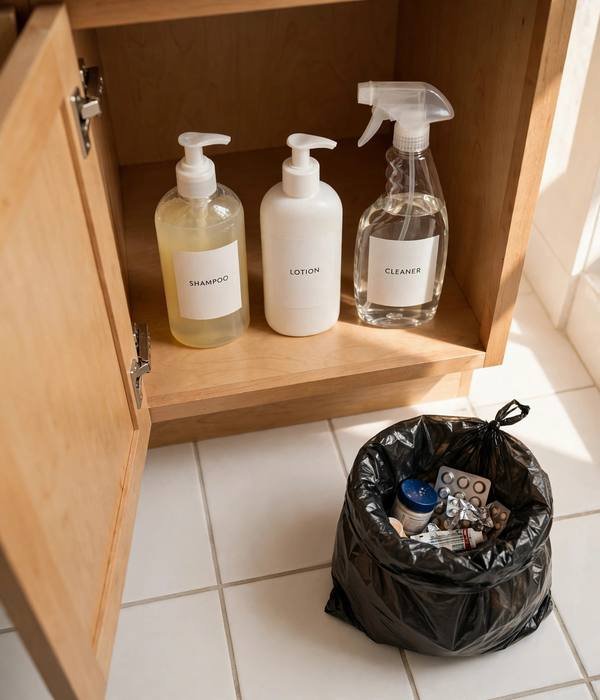
Open every cabinet and drawer: the average bathroom holds 2 to 3 half-used duplicates of shampoo, lotion, or cleaner because a new one got bought before the old one ran out.
Consolidate the half-bottles into one, toss anything expired or separated (sunscreen over 3 years old, opened mascara over 3 months), and keep one backup of each staple, not four.
⏱ Time: 20 minutes Verdict: Trash expired products; donate unopened duplicates. Where it goes: Half-full bottles combined and consolidated; empties rinsed into recycling.
9. Linen Duplicates: Thin the Sheet Pile
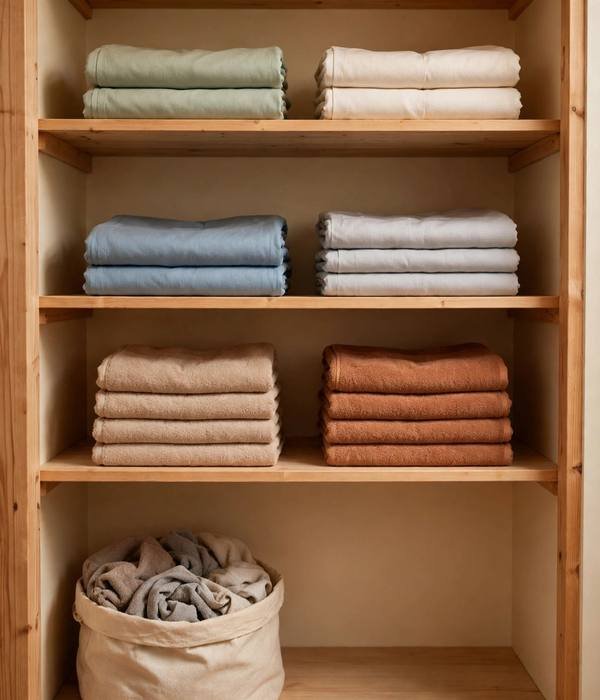
Guests need one good set of sheets and two towels each, not the six sheet sets and fourteen towels most linen closets hold. Keep two sets per bed (one on, one spare), two bath towels per regular occupant plus two for guests, and donate the rest.
Ratty towels make excellent cleaning rags: cut them into 12-inch squares and retire them to the garage.
⏱ Time: 20 minutes Verdict: Donate good linens; demote worn ones to rags; trash the truly dead. Where it goes: Animal shelters accept old towels and blankets year-round, an easy December drop.
10. Paper and Magazine Piles: Recycle the Read
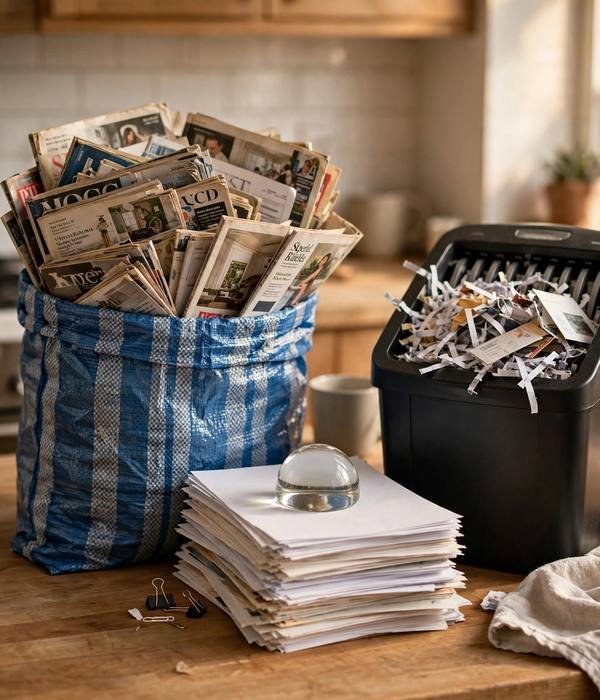
Paper is the silent space thief: it spreads across counters, tables, and entryways, and every pile is really a decision you postponed. Grab a recycling bag and walk the house, old magazines, catalogs, junk mail, expired coupons, the kids’ school papers from last year. Shred anything with account numbers; the rest goes straight in.
Ten minutes of walking usually fills a full grocery bag.
⏱ Time: 30 minutes Verdict: Recycle almost all of it; shred sensitive documents. Where it goes: Recycling bin this week; shred pile handled in one sitting, not “later.”
11. Garage Holiday Bin Audit: Know What You Own
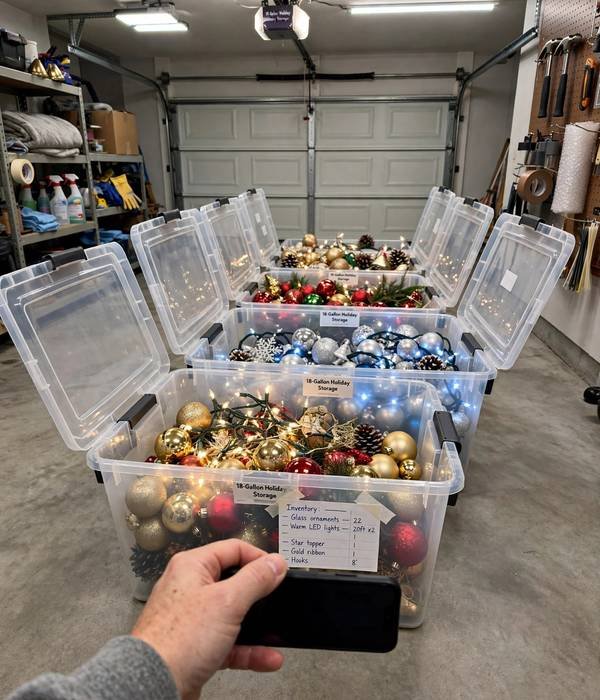
Before you buy a single new decoration, open every holiday bin in the garage. List what you have, lights, ornaments, garland, tree skirt, on a phone note or a taped-on index card per bin.
This 30-minute audit is what stops the annual duplicate purchase: most households own 20 to 30 percent more decor than they remember, and the rebuy happens because nobody checked.
⏱ Time: 30 minutes Verdict: Trash broken items; keep a written inventory. Where it goes: Labeled bins back on the shelf; the inventory list lives on your phone for every December shopping trip.
12. Medicine Cabinet: Clear Expired and Duplicate Meds
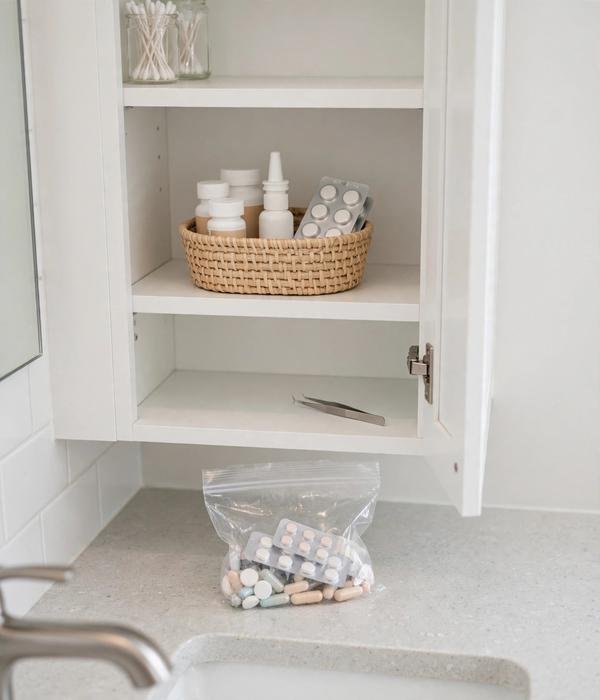
Expired medications lose potency and take up prime real estate in a small bathroom. Pull everything out, check dates, and separate expired from current. Do not flush medications, mix them with coffee grounds or cat litter in a sealed bag for the trash, or use a pharmacy take-back program. Consolidate duplicate half-boxes of the same thing.
⏱ Time: 15 minutes Verdict: Trash expired (sealed-bag method) or pharmacy take-back. Where it goes: Take-back programs run year-round at most pharmacies, combine with a regular errand.
13. Coat Closet Purge: Mismatched Gloves and Dead Hangers
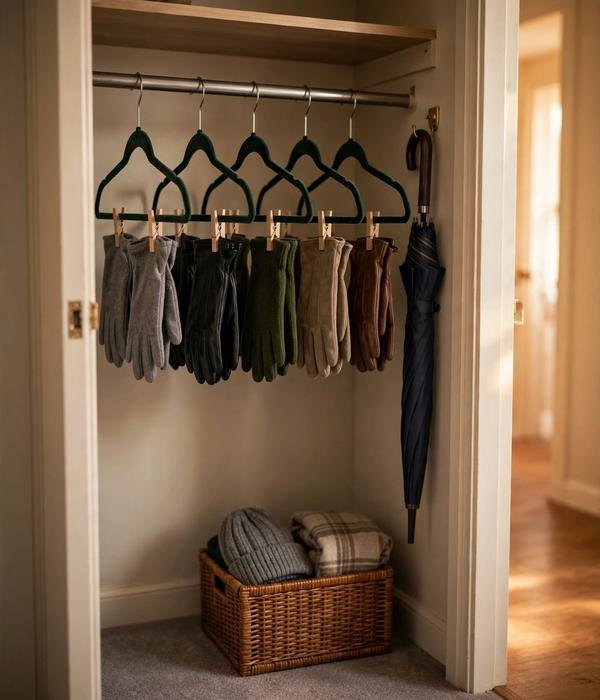
The coat closet is where winter gear goes to die: single gloves, broken umbrellas, wire hangers that tangle everything, a scarf collection nobody wears.
Match gloves into pairs, singles without a mate go; test umbrellas and toss the broken; swap wire hangers for slim velvet ones (a 10-pack costs under $10 and reclaims about 2 inches of rod per hanger). Keep one umbrella, one spare pair of gloves per person.
⏱ Time: 20 minutes Verdict: Donate matched sets; trash broken umbrellas and wire hangers. Where it goes: Donation bag; a small box for the “keep” gear so it stays sorted through winter.
14. Closet Floor: The Shoe Mountain
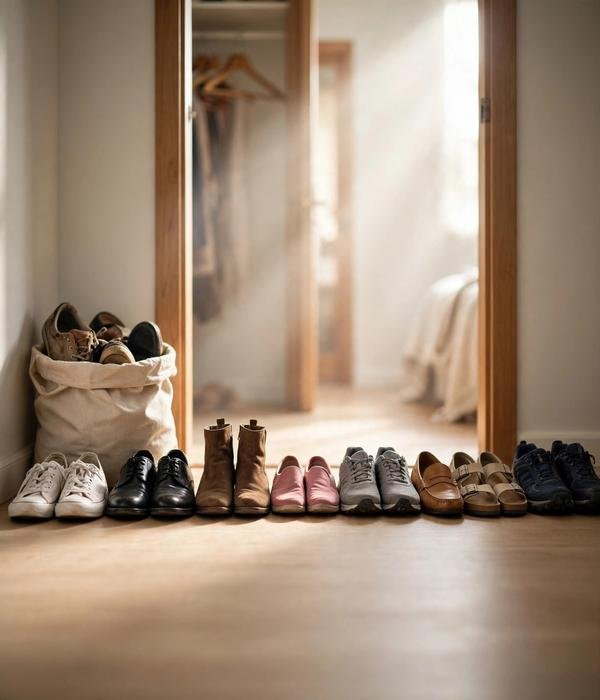
Count the shoes on your closet floor right now, most closets hold 15 to 25 pairs where 8 to 10 get worn. Anything unworn for a year, anything that hurts, and the third pair of near-identical black flats go.
Each pair reclaimed returns about a shoebox of floor space (roughly 0.5 cubic feet per 6 pairs), which is exactly the space December’s gift boxes will want.
⏱ Time: 20 minutes Verdict: Donate wearable pairs; trash the truly worn-out. Where it goes: Donation bag this week, shoes are among the most requested donation items in winter.
15. Junk Drawer: Fifteen Minutes to Flat
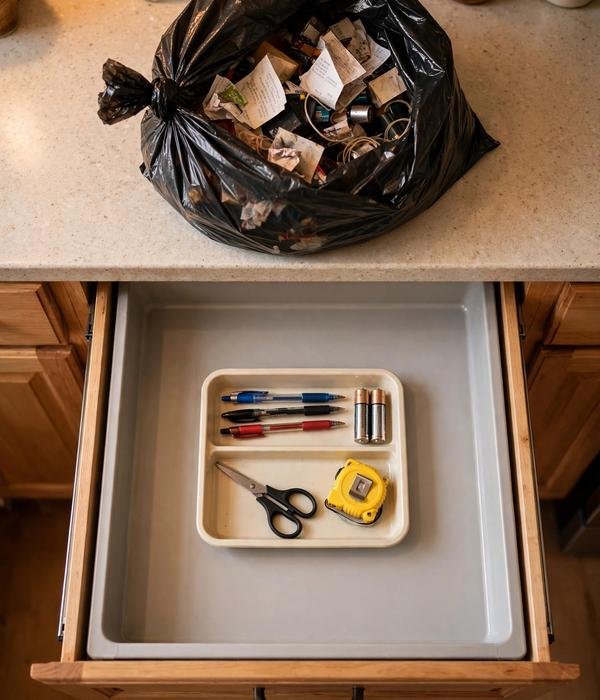
The junk drawer is a 4-to-6-inch-deep space that should hold daily tools, not a museum of dead batteries and takeout menus. Dump it all, toss the obvious trash (dried pens, expired coupons, single screws from furniture you no longer own), test the batteries, and put back only what you actually grab weekly. A $5 drawer tray keeps it from re-filling.
⏱ Time: 15 minutes Verdict: Trash most of it; recycle batteries properly. Where it goes: Batteries to a retailer drop-off (most electronics stores take them free); trash for the rest.
16. Under-Bed Storage: Audit the Hidden Boxes
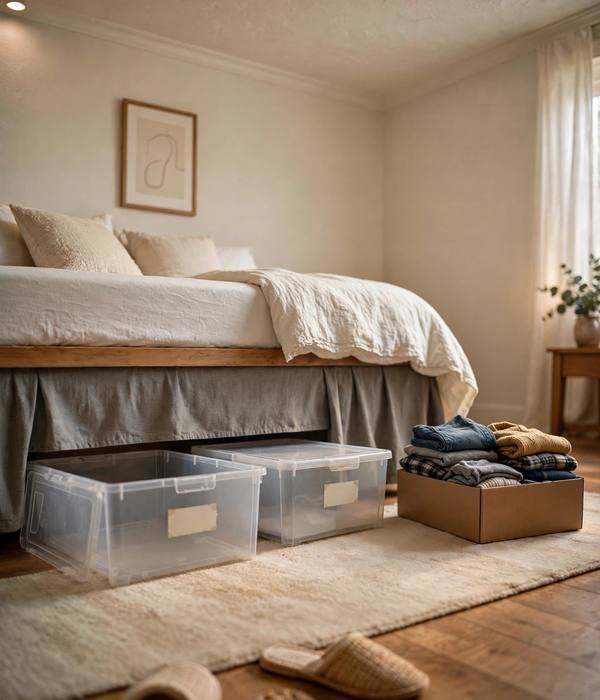
Under-bed boxes are where things go to be forgotten, which means half of what is under there can leave. Pull each box out, and be ruthless: outgrown kids’ clothes, linens for a bed size you no longer own, “craft supplies” untouched for two years.
What stays goes back in labeled boxes; the freed volume is prime real estate for hiding December gifts.
⏱ Time: 20 minutes Verdict: Donate outgrown and unused; trash the broken. Where it goes: Donation boxes staged by the door; keep one empty under-bed box ready, it becomes gift-hiding space in December.
17. Chipped Mugs and Duplicate Dishes: Holiday Table Ready
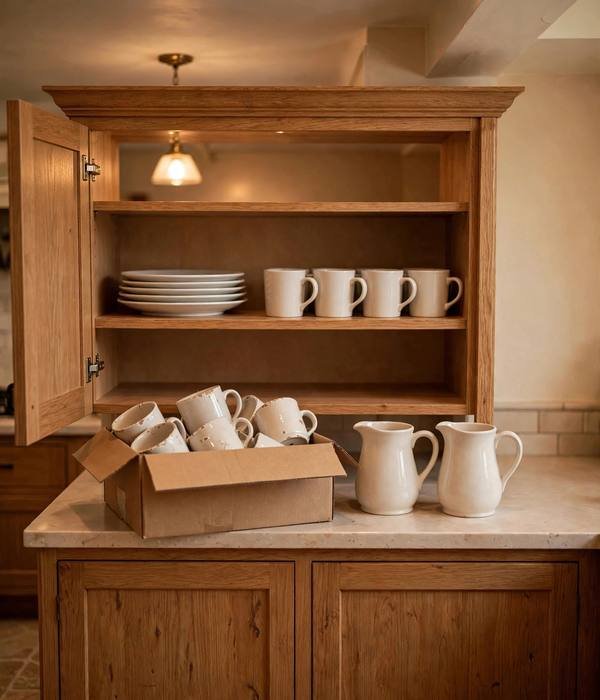
Holiday hosting needs serving pieces and matching-enough dishes, not the chipped mug from 2019 or the fourth water pitcher. Pull everything out of the cabinet: toss chipped or cracked pieces (chips harbor bacteria and look tired on a holiday table), donate duplicates, and keep the set you would actually serve guests from.
Count place settings, you need one per expected guest plus two, not thirty.
⏱ Time: 15 minutes Verdict: Trash chipped/cracked; donate duplicates. Where it goes: Donation box; the kept set gets a quick inventory so you know your real guest capacity.
18. Laundry Shelf: Old Products and Single Socks
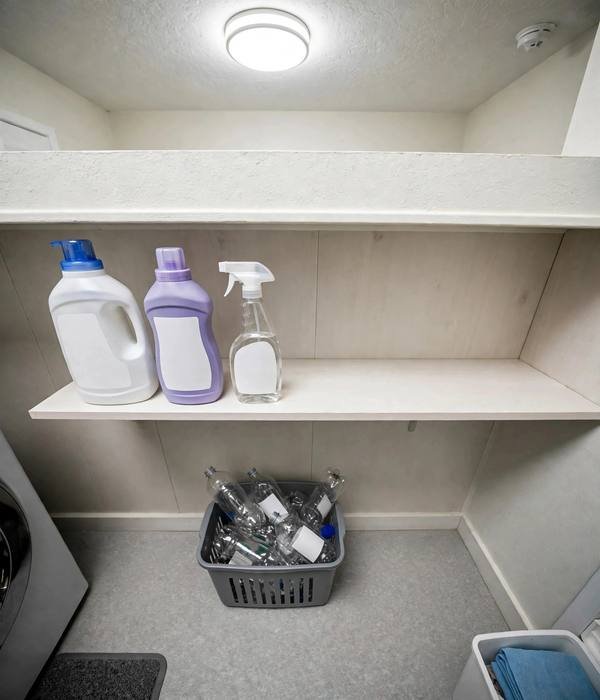
The laundry shelf collects half-used detergents, dryer sheets from three brands, and the sock orphanage. Consolidate detergents into the newest bottle, toss anything separated or over two years old, and make a decision on the single socks: match what you can, bag the rest for rags or recycling. One bottle of each product type is the target.
⏱ Time: 15 minutes Verdict: Trash expired products; recycle single socks as textiles. Where it goes: Empties to recycling; consolidated bottles back on the shelf with labels facing out.
19. Gift Bags and Tissue: Flatten the Stash
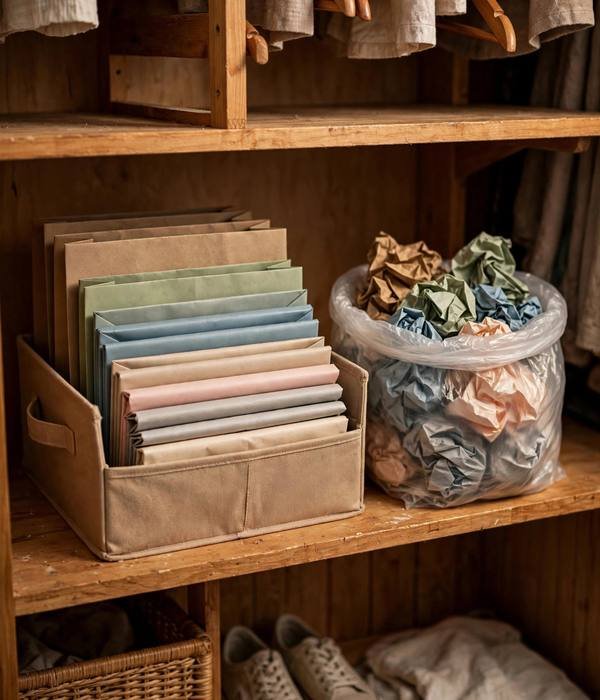
Gift bags multiply: every store hands you one, and the crumpled pile in the closet eats a full shelf. Flatten every bag, sort by size, keep 8 to 10 good ones (that covers a full holiday season for most families), and recycle the crumpled and torn.
Folded flat, ten bags fit in a single magazine holder, about 2 inches of shelf instead of a cubic foot of puff.
⏱ Time: 15 minutes Verdict: Recycle the crumpled and torn; keep the best 8–10. Where it goes: Magazine holder or large envelope, stored with the wrapping supplies from item 4.
20. Games and Puzzles: Missing-Piece Cull
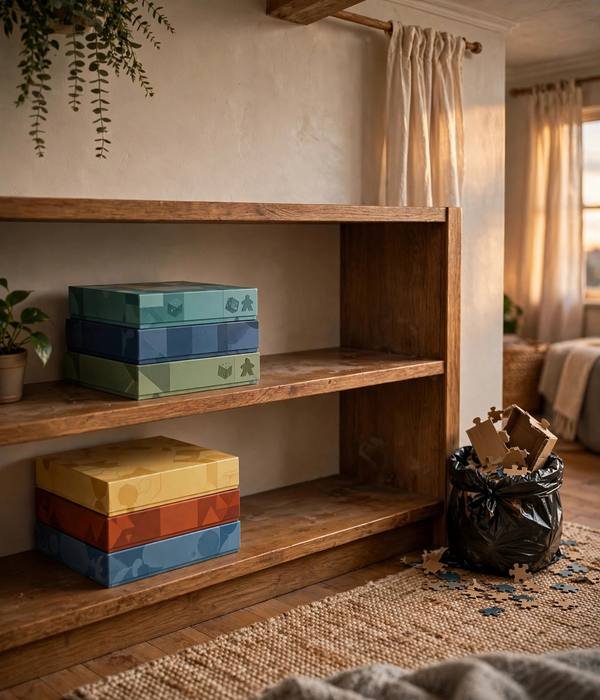
Guests play games in December, but only complete ones. Dump each puzzle and count-check the box art piece count against a quick sort; games missing dice, cards, or key pieces go.
This is a 20-minute job that directly serves holiday hosting: a shelf of 6 complete games beats a closet of 15 broken ones, and the freed space holds the new games arriving as gifts.
⏱ Time: 20 minutes Verdict: Donate complete sets; trash incomplete ones (or keep the box for craft storage). Where it goes: Complete games stay on an accessible shelf, not the top of the closet, for December game nights.
Conclusion
Twenty items, 420 minutes, roughly one weekend pair of afternoons, and a home with the capacity December demands. Biggest space win: the under-bed audit (item 16) plus the guest room clear (item 7) together free 10 to 15 cubic feet and create the two things December needs most, gift-hiding space and guest-ready rooms. Everything else is maintenance.
Start with the entryway this weekend so the first thing you see when you come home already feels different, and let the momentum carry you through the list before the holiday rush starts.
Frequently Asked Questions (FAQ)
When should I start a pre Christmas declutter?
If you start the weekend of November 21–22, you finish the full 20-item list with a weekend to spare before December. If you are reading this in early December, do items 1, 4, 5, 7, and 16 first, those five cover the entryway, wrapping, decor, guests, and gift hiding, which are the highest-impact 95 minutes on the list.
How long does the whole 20-item checklist take?
420 minutes, 7 hours, split into two 3.5-hour weekends. If that sounds like a lot, remember it replaces the hours you would otherwise spend in December hunting for things, rebuying duplicates, and shoving clutter into closets before guests arrive. Most people find the second weekend goes 30 percent faster because the decision muscle is warmed up.
What should I do with donations so they don’t sit in my hallway?
Donate within the same week you declutter, a bag by the door has a way of becoming permanent furniture. If your car is full, schedule a charity pickup (many run through early December) or use a drop-off bin on an existing errand route. Holiday donation drives peak in late November, so early drops also help the charities plan.
Should I declutter before or after I buy Christmas decor?
Before, always before. The garage bin audit (item 11) exists precisely to stop duplicate purchases: households typically own 20 to 30 percent more decor than they remember. Declutter first, inventory what you own, then buy only the specific gaps.
Doing it in reverse order is how decor bins multiply.
How do I declutter kids’ toys without a meltdown?
Frame it as making room, not losing things: “Let’s pick 5 toys to pass on so there’s space for what’s coming.” Let the child choose which ones go, autonomy prevents drama. Box donations out of sight immediately, and do the toy sort when they are rested, not tired.
If a toy causes tears, it stays; the goal is volume reduction, not perfection.