
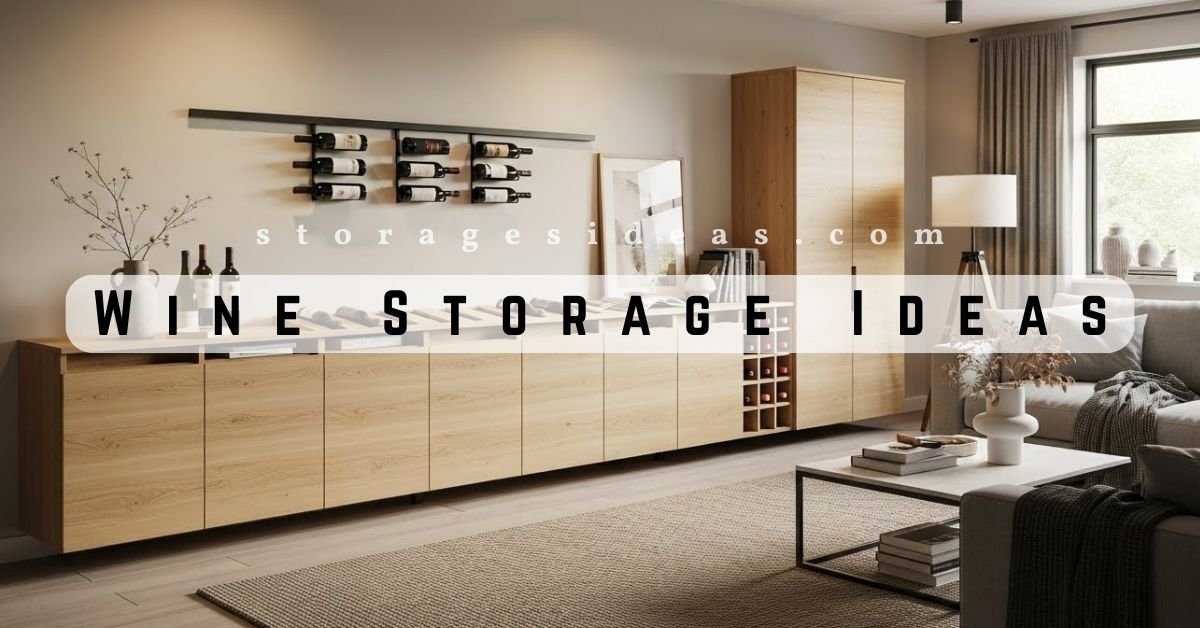
Wine has a way of sneaking into a home slowly. One bottle becomes a few favorites. A few favorites turn into a habit. Before long, bottles start landing wherever there’s space on top of the fridge, beside the pantry, tucked into a cabinet that was never meant for glass. I’ve been there. And while it looks harmless, poor storage quietly works against the wine itself.
What changed everything for me was realizing that wine isn’t just another item to stash away. It reacts to heat, light, vibration, and even how it’s positioned. Once I stopped treating bottles like décor pieces and started treating them like something meant to be enjoyed properly, storage decisions became much clearer.
This guide walks through the wine storage ideas I now rely on to keep bottles protected, accessible, and visually balanced without turning my home into a wine cellar or a cluttered bar corner.
Why Wine Storage Is Different From Other Home Storage
Wine isn’t static. It’s sensitive. Temperature swings, direct light, and constant movement slowly change what’s inside the bottle. That’s why tossing wine onto a random shelf or countertop can quietly damage it over time.
Unlike pantry items, wine also has an orientation requirement. Many bottles benefit from being stored on their side to keep the cork from drying out. Labels matter too. If bottles are scuffed, faded, or hard to read, it affects both usability and enjoyment.
There’s also the lifestyle factor. Wine tends to come out during social moments, dinners, celebrations, and quiet evenings. Storage has to make sense during those moments, not just look good when no one’s using it.
How I Decide Where Wine Should Live in My Home
Before choosing racks or cabinets, I decide what role wine actually plays in my routine.
I separate bottles into two broad groups. Everyday wines are meant to be opened without much thought. These need easy access and can live closer to entertaining areas. Longer-term bottles, ones I’m saving or don’t open often, need calmer, more controlled storage.
I also think about how often I entertain. If wine is part of hosting, storage belongs near dining or living spaces. If it’s more personal, quieter spots work better.
One thing I avoid completely is scattering bottles across rooms. When wine lives everywhere, it’s easy to forget what I have and why it’s there.
Open Wine Storage That Works for Everyday Bottles
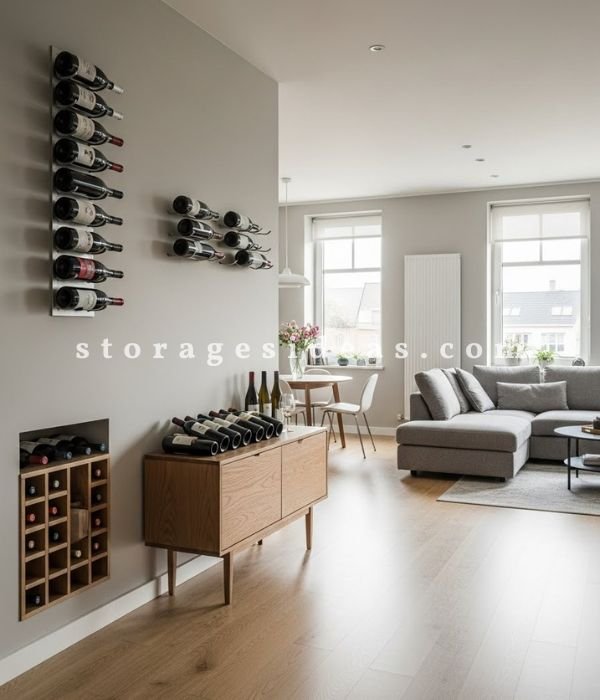
Open storage is best reserved for bottles I actually reach for.
Wall-mounted racks work well when installed away from heat and sunlight. I prefer vertical or angled racks that support the bottle evenly. Countertop racks can work, but only if they’re not fighting for space with daily tasks.
Sideboards and console tables are some of my favorite solutions. They keep bottles at a comfortable height and allow wine to sit alongside glassware without becoming the room’s focal point. Many of these setups follow the same principles used in wall storage ideas for the living room, where vertical placement saves space without adding clutter.
The key with open storage is restraint. A few well-placed bottles feel intentional. Overcrowding turns wine into visual clutter fast.
Hidden Wine Storage for a Cleaner Look
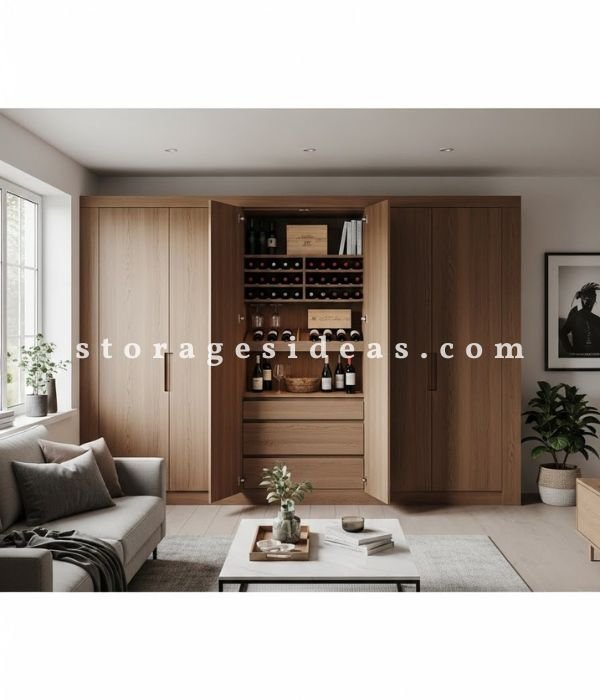
Hidden storage is where wine feels most protected.
Cabinets designed with horizontal bottle slots keep corks from drying out while hiding visual noise. Drawer-based storage works surprisingly well for smaller collections and keeps bottles easy to inventory.
Under-stair storage is another option when space allows, but cabinets with ventilation are often more reliable. If you’re exploring enclosed solutions, ideas from DIY living room storage cabinet projects can translate well into wine-specific storage with the right internal supports.
Hidden storage isn’t about hiding wine; it’s about giving it a stable, calm place to rest.
Wine Storage Ideas for Small Homes and Apartments
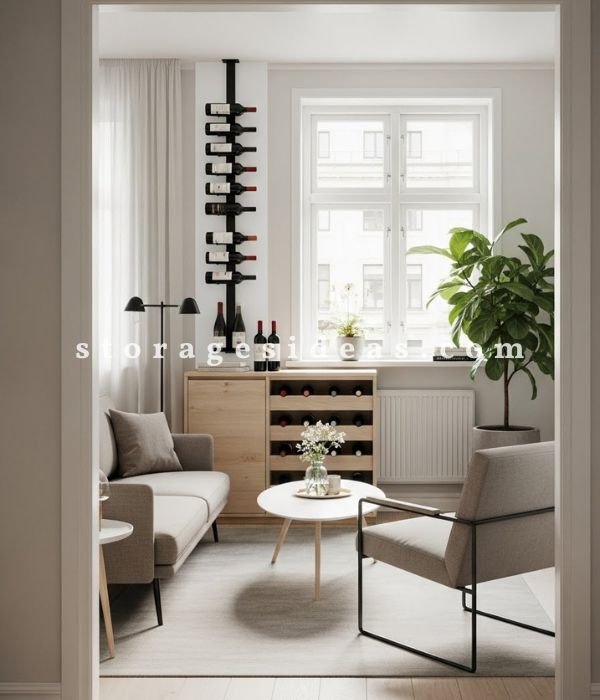
Small spaces force better decisions.
Vertical storage becomes essential here. Tall, slim racks maximize capacity without spreading outward. Narrow wall sections and unused corners often become the best wine zones.
I avoid wide racks and oversized furniture in small homes. They eat up space and draw too much attention. Instead, I borrow strategies from small living room furniture and decor hacks, where footprint matters more than storage volume.
What matters most is placement. Wine should never be stored above ovens, near radiators, or in direct sunlight, no matter how limited the space feels.
Furniture That Doubles as Wine Storage
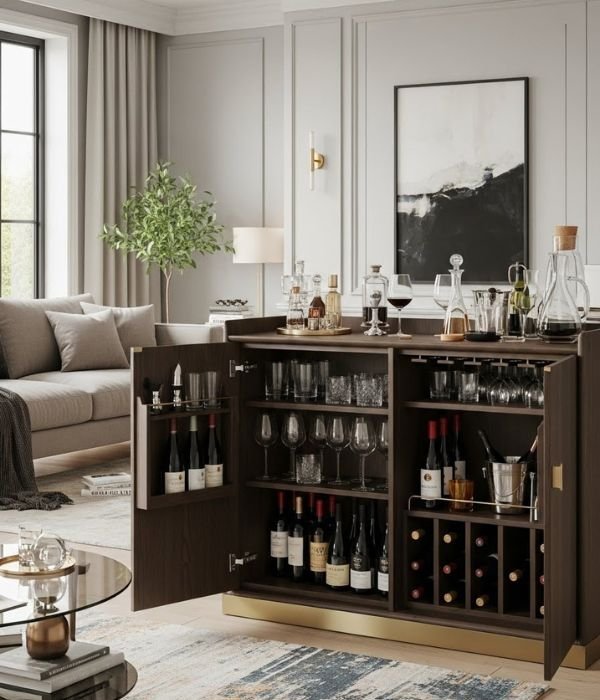
Furniture-based storage works best when wine isn’t the only thing it holds.
Bar cabinets are excellent when designed properly. They keep bottles, glassware, and accessories in one place, which reduces clutter elsewhere. Coffee tables with wine sections can work, but only when storage doesn’t interfere with daily use.
I like sideboards with mixed storage, some closed, some open. This allows flexibility and keeps wine from dominating the piece.
The goal is integration. When wine storage blends into furniture, it feels like part of the home rather than an add-on.
Styling Wine Storage So It Looks Intentional
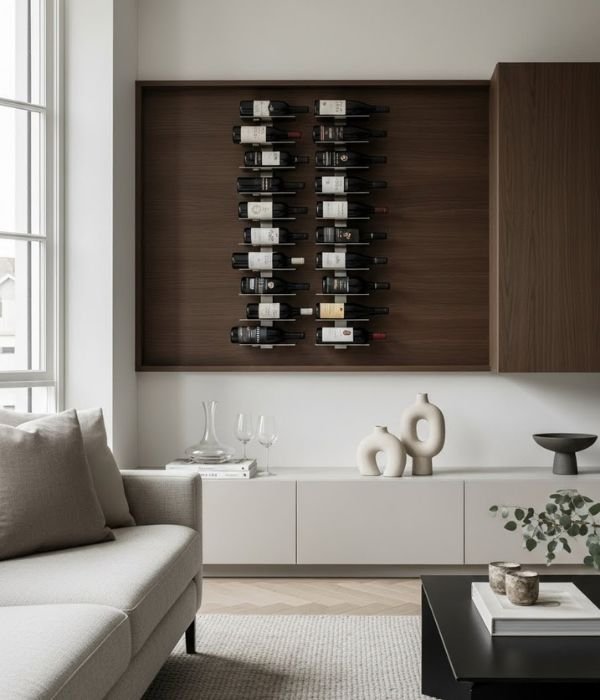
Wine looks best when it isn’t trying too hard.
Bottle orientation matters. Horizontal storage looks calm and purposeful. Random angles or mismatched racks feel chaotic. I also limit how much wine shares space with décor. Too many accessories cheapen the look instead of elevating it.
Glassware deserves its own logic, too. Hanging racks work, but only when they don’t clutter sightlines. Clean lines always win over novelty designs.
Styling should support usability first. If storage looks good but feels awkward to use, it won’t last.
Where Wine Actually Ends Up (And How I Design Storage There)
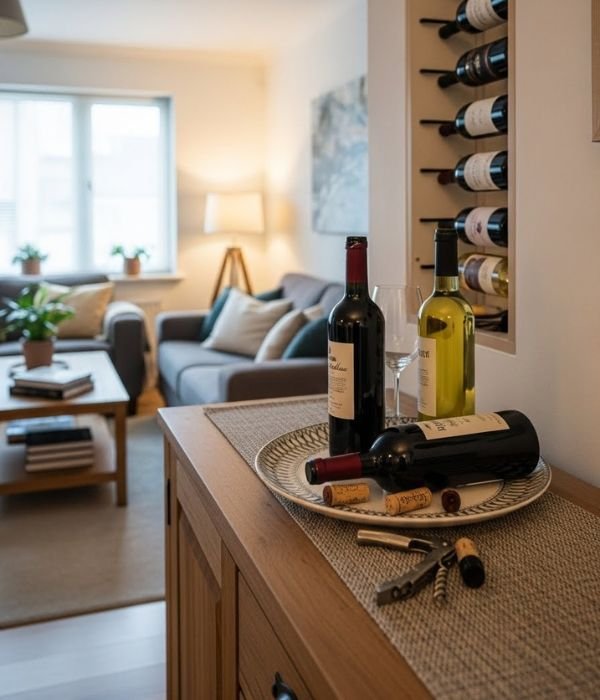
This is where most advice falls short.
After parties or dinners, bottles land on counters, dining tables, or sideboards. Instead of pretending this doesn’t happen, I plan for it. I keep one short-term holding spot, a tray or designated surface near permanent storage.
This makes cleanup easier and prevents bottles from being abandoned in poor conditions. Once the moment passes, wine goes back where it belongs.
Storage works best when it respects real behavior instead of fighting it.
Protecting Wine Quality Without a Wine Cellar
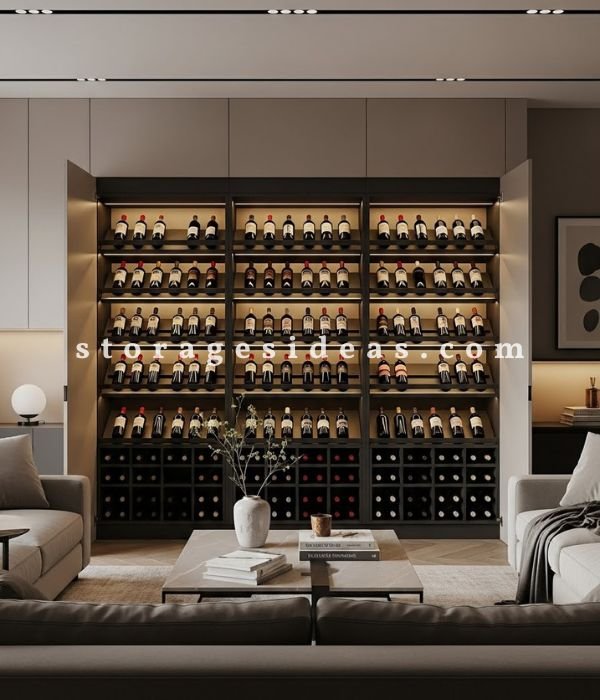
Most homes don’t have wine cellars, and that’s fine.
The goal is stability, not perfection. I avoid heat, minimize light, and reduce vibration. Interior cabinets beat open shelves for protection. Consistent room temperatures matter more than hitting exact numbers.
For general safety and handling, it helps to follow basic wine storage and home safety guidelines from trusted authorities.
Humidity doesn’t need to be controlled aggressively, but extreme dryness should be avoided. Proper bottle orientation handles most of that naturally.
Good storage doesn’t require expensive equipment; it requires awareness.
Wine Storage Mistakes I See All the Time
Storing bottles upright long-term is one of the biggest mistakes. It dries corks and leads to oxidation.
Heat exposure is another silent issue. Wine near stoves, dishwashers, or sunny windows ages poorly. Decorative racks that scuff labels also frustrate me more than they should.
Finally, buying storage before understanding habits leads to wasted space. Storage should respond to use, not trends.
FAQs
Should wine always be stored horizontally?
For corked bottles, yes. It keeps the cork from drying out.
Can wine be stored in the kitchen?
Only if it’s away from heat and light, many kitchens aren’t ideal.
How many bottles should I store at home?
Only what fits your habits. More bottles require better planning.
Do I need a wine fridge?
Not always. For casual drinkers, good placement is often enough.
How long can wine stay stored properly at home?
That depends on the wine, but stable conditions extend quality significantly.
Final Thoughts
Wine deserves better than random storage. The best wine storage ideas work because they respect the bottle, the space, and the habits of the people using them. When storage supports how wine is actually enjoyed, bottles stay safer, spaces stay calmer, and every pour feels intentional.
Good storage doesn’t turn a home into a showroom. It quietly supports enjoyment, and that’s exactly what wine is meant for.
