

My living room has always been the heart of my home. It’s where I read, relax, talk, snack, scroll, and sometimes even work. Because of that, my books naturally drift into this space. Before I knew it, I had small piles forming on every flat surface. One stack near the sofa. Another growing on the TV console. A few more are hiding on the coffee table. And at least one book I could never remember putting down.
Books bring warmth and personality into a room, but without the right storage, they can take over the space fast. Over time, I learned that it wasn’t the number of books causing stress but the lack of intentional storage. Once I changed how I arranged and stored them, my living room immediately felt calmer and easier to maintain.
OFF
today
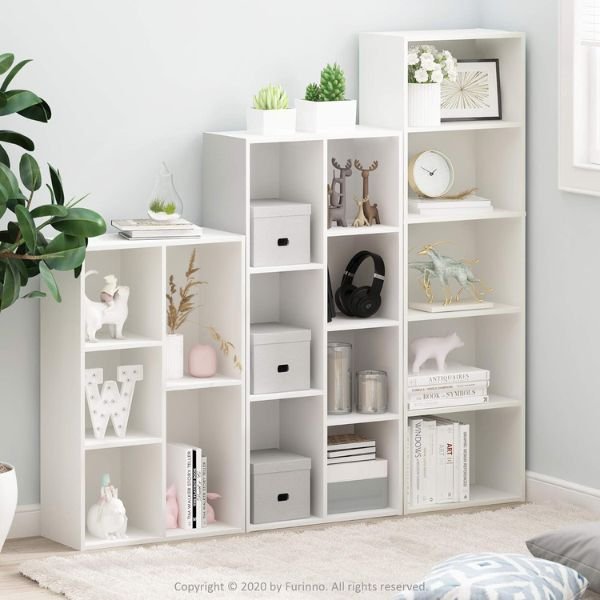
Furinno LUDER 5-Cube Reversible Bookshelf
Clean, minimalist & reversible — fits any room and assembles in minutes without frustration.
- 5 open cubes — books, decor, baskets & plants all fit perfectly
- Reversible design — flip it to match your room layout
- Easy assembly — no special tools, done in under 30 minutes
- Multi-room ready — bedroom, living room, office & dorm
These are the creative book storage ideas that helped me build a living room that feels organized without losing the charm that books bring.
1. How I Figured Out the Right Book Storage for My Living Room
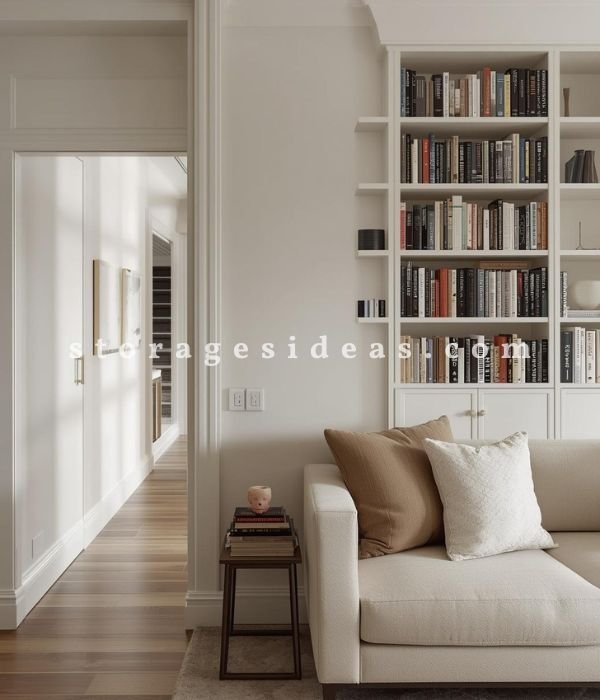
Before adding any shelves, cabinets, or baskets, I had to understand my own habits. I used to buy storage pieces that looked gorgeous online, but made no sense for how I actually used the room. Once I paid attention to my daily routines, the right storage choices became obvious.
I started by noticing where I naturally sit and read. My current reads needed to live near that spot, not across the room. When I kept them far away, I’d leave books scattered around because I wouldn’t put them back where they belonged.
I also looked at how people move through the room. I didn’t want shelves blocking walkways or making the space feel tight. Even a small shift in furniture placement made a big difference in how open the living room felt.
Another thing that changed the game for me was letting go of the idea that every book needed to stay visible. Some of my books look great on shelves. Others? Not so much. Once I accepted that a mix of visible and hidden storage works best, the space became much easier to manage.
As soon as I permitted myself to rethink where books actually needed to live, my storage system became far more practical.
2. Book Storage Ideas Based on Living Room Layout
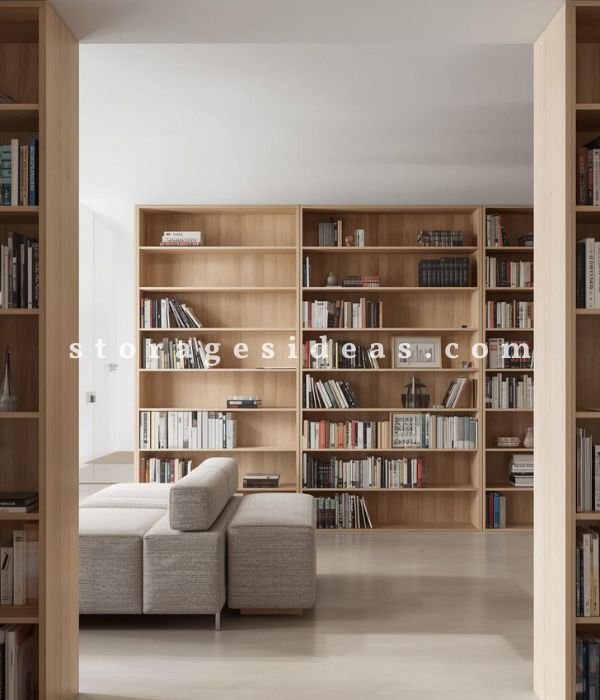
The shape of the living room determines how book storage should work. It took me years to realize this, but once I matched storage to the room layout, everything clicked.
In long rectangular rooms, tall bookcases can make the space feel even narrower. I found that long, low shelving works better because it stretches the space horizontally without adding visual weight. Floating shelves help too, especially when they’re spaced widely rather than stacked tightly.
Square rooms are different. They can feel dense and crowded if every wall has something on it. In these rooms, I prefer choosing one wall as the “main” storage zone. A balanced bookcase or built-in on that wall feels intentional, while keeping the other walls more open prevents the room from feeling boxed in.
Open-plan living rooms are trickier because the layout usually lacks boundaries. In spaces like these, book storage can actually define zones. A bookcase placed behind the sofa helps break up the room. A low shelf along a dividing wall feels natural and keeps the space flowing. Books create structure without needing actual partitions.
Small apartments require a different mindset entirely. I learned to look upward instead of outward. High shelves near the ceiling store a lot of books without touching the floor space. Slim vertical towers fit easily into forgotten corners. And when all else fails, the tiny space behind the sofa becomes a surprisingly useful spot for books.
Rooms with fireplaces come with their own opportunities. If you have alcoves beside the fireplace, they almost beg to become book storage. Shelves in these spaces make the wall feel balanced. I avoid stuffing them too full because heavy alcoves can overpower the fireplace, but a thoughtful combination of books and decor always looks good.
3. Stylish but Practical Shelving Options I Recommend
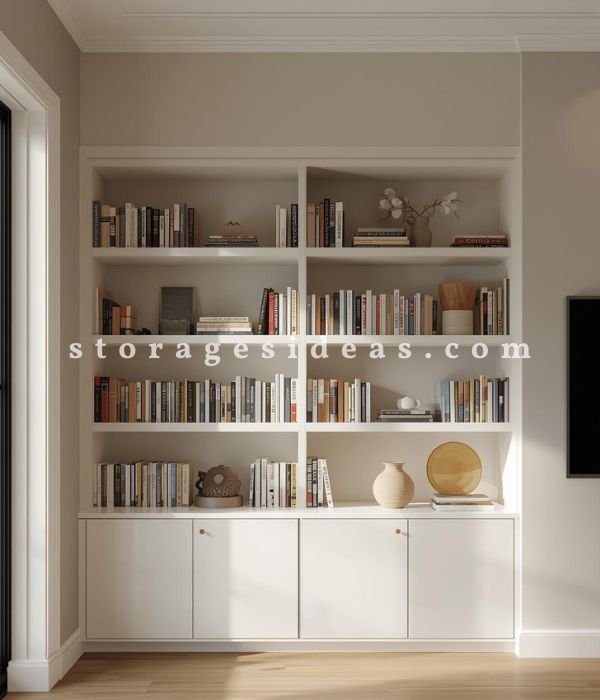
Once I understood my room layout, choosing shelving became easier. Built-ins are one of the most natural ways to store books in the living room. They blend into the architecture and make the room feel intentional. I prefer shallow shelves because they prevent books from getting pushed back into shadows. Deep shelves look impressive but aren’t always practical.
I also learned a bit about proper book care from the Library of Congress preservation guidelines, which helped me store books in ways that protect them long-term.
Freestanding bookcases are my backup when built-ins aren’t an option. I’ve used tall slim units in narrow rooms and wider low ones in larger rooms. The depth matters here, too. A shelf that’s too deep becomes a magnet for clutter. A shelf that’s too wide can overpower the room. I stick to clean lines and simple shapes.
Floating shelves are great when I want something lighter. They save floor space and allow me to highlight a small book collection without overwhelming the wall. I like placing them above sofas or in tight corners that don’t fit larger furniture. Floating shelves also help break up long empty walls and make the space feel more personal.
4. Low and Horizontal Book Storage That Opens Up the Room
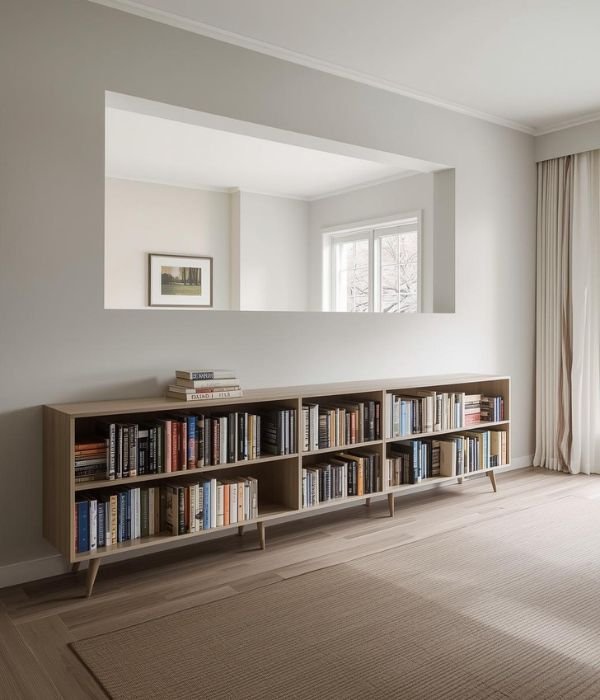
One of the most surprising discoveries I made is how much calmer a living room feels when book storage stays low. Low shelves don’t tower over the room, and they keep the eye level open. This helps the room feel bigger and more breathable.
I’ve used low shelves under windows, under artwork, and even across an entire wall. Long, low units create a grounding line that visually stabilizes the room. If you have a lot of books, spreading them out horizontally keeps the design soft. It’s also easier to display decor on top when the shelf height is reachable.
Modular low cubes became one of my favorite solutions because I can rearrange them whenever I want. They’re especially good in small spaces where flexibility matters.
5. Hidden Book Storage Ideas for a Cleaner Look
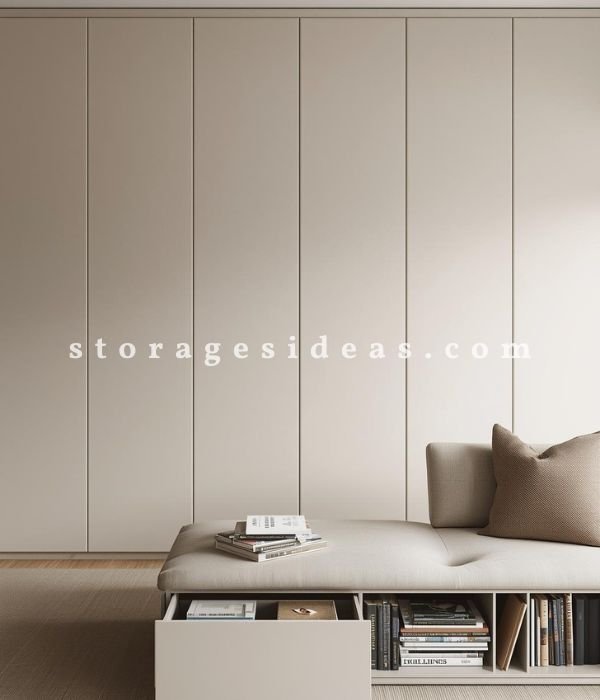
Even though I love having books around, I don’t want every single one of them visible. Some days I want a cleaner look, especially if the living room is doing double duty as a work area or if guests are coming over.
Closed cabinets are perfect for this. They hold a surprising number of books and keep the room looking tidy. I also use drawers in consoles and sideboards to store smaller paperbacks that tend to clutter open shelves.
Storage benches are amazing for overflow books. They hide everything, add extra seating, and look intentional. If a book doesn’t need to be displayed, it often goes into one of these hidden spots.
I learned that mixing open and closed storage works best. It keeps the room organized without feeling staged.
6. Small but Powerful Storage Spots I Used to Overlook
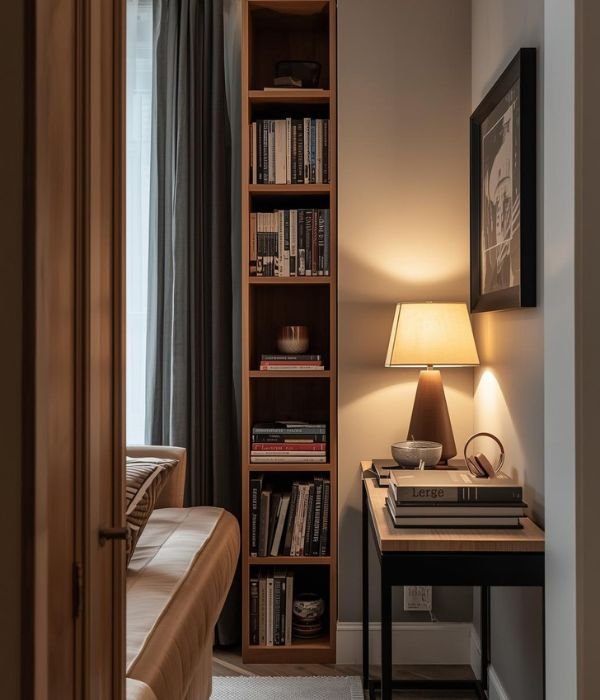
Some of the best book storage in my home came from unexpected places. I used to underestimate narrow spaces between doorways or furniture, but these tiny gaps often fit slim shelving perfectly. Many corner storage ideas also work beautifully in these spots, turning unused areas into functional storage.
Behind the sofa is another underrated area. A narrow console table or a long floating shelf can hold books, lamps, or small decorative items without getting in the way. This setup turns the back of the sofa into a mini reading station.
Under the large floating shelves is another usable zone. I sometimes place a small row of books or baskets under them to fill awkward space without adding clutter.
Corners near windows or fireplace edges also work well, especially when no other furniture fits the area.
Once I started seeing these micro-spots as part of my storage system, the living room became far easier to organize.
7. Mixed Storage: Books + Decor Without Creating Visual Chaos
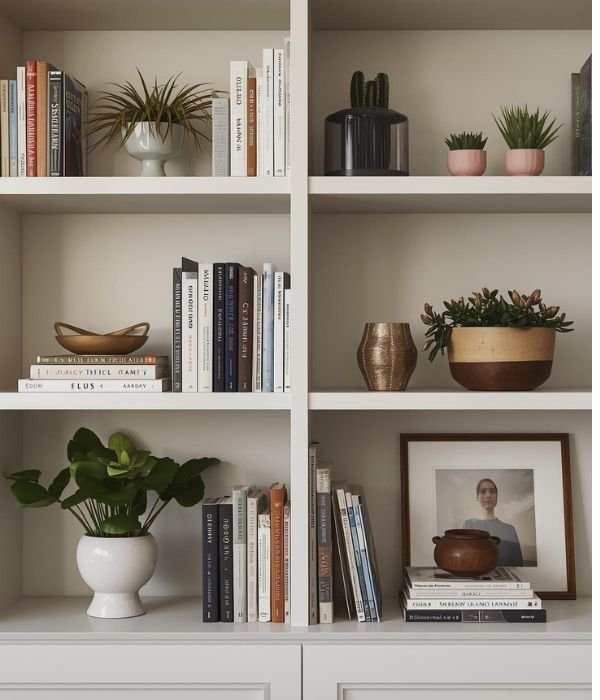
One of my earlier mistakes was treating my shelves like a library. I packed them full, and the result felt heavy and chaotic. Now I mix my books with decor, but I do it carefully.
Small bowls and boxes help keep micro-clutter under control, especially when I combine them with storage ideas for small items to keep shelves tidy.
Too much decor creates clutter. Too many books feel overwhelming. I found that keeping a simple balance makes the shelves attractive and functional. A few plants soften the lines. A framed photo adds personality. A small bowl breaks up the vertical lines. But I keep everything minimal, so the books remain easy to access.
Space is important too. Leaving open areas on shelves helps the room breathe. It also gives me room for new books without reorganizing everything.
8. Keeping Books Organized in a Shared Family Living Room
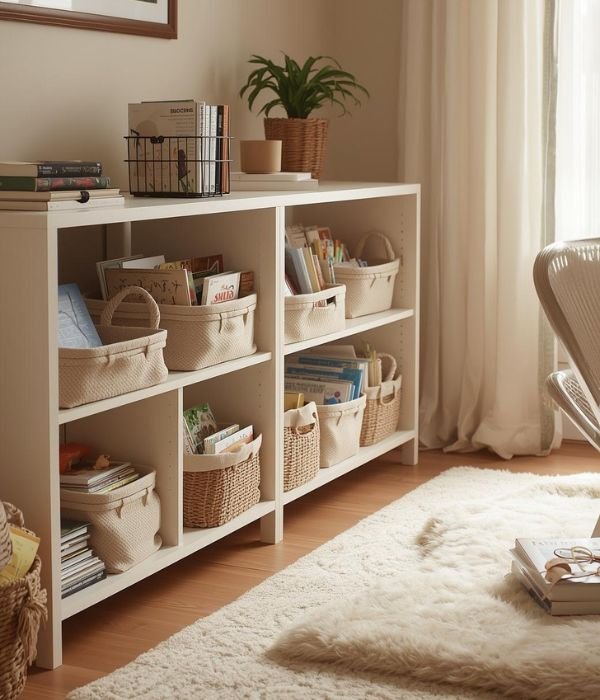
When kids share the living room, book storage needs to be sturdy and simple. I learned quickly that kids won’t carefully place books back on a high shelf. They need easy systems.
Low bins and baskets work well for this. Bottom shelves become kids’ zones. This way, they can reach their books without creating chaos across the entire room. It also teaches them where things belong, so cleanup becomes a routine instead of a battle.
For mixed households, a shared reading corner can help keep the books in one area. A soft rug, a basket, and a low shelf make the space inviting without letting books take over the room.
9. Damage-Free Book Storage Solutions for Renters and Apartment Homes
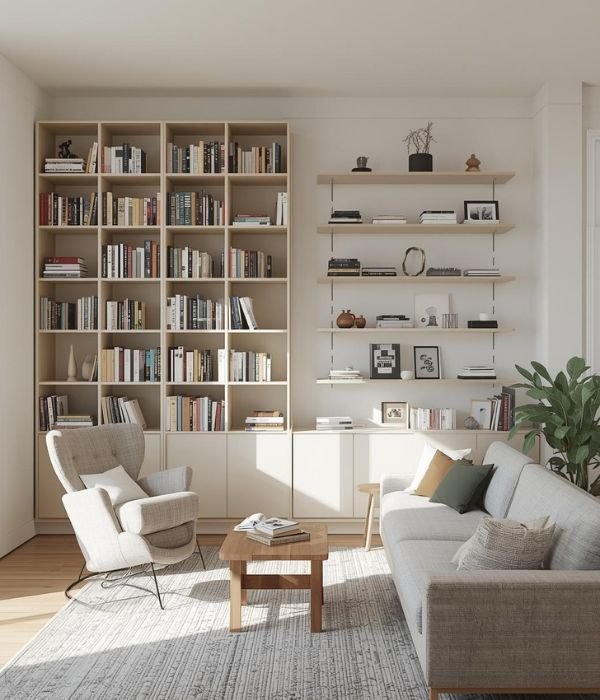
As a renter, I learned to be creative without drilling holes everywhere. No-drill floating shelves are better than many people expect, especially for small stacks of books. They look clean and can be removed without damage.
Modular shelving is another lifesaver. Cube systems, portable book towers, and lightweight units move easily and adapt to new layouts. I also use furniture sliders and non-damaging anchors to keep freestanding shelves steady.
Temporary setups can still look intentional. A matching color palette, proper spacing, and tidy arrangements make even simple shelving look polished.
10. How I Maintain My Book Storage Without Harsh Decluttering
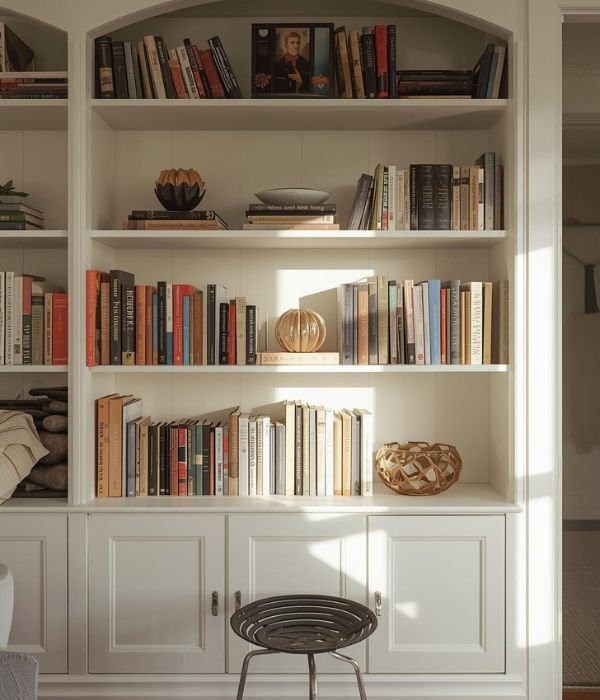
I’m not someone who enjoys extreme decluttering sessions, so I needed a low-maintenance way to keep my book storage under control. A small rotation system helped more than I expected.
Current reads stay near the sofa. Finished books move to the shelves. Books I haven’t touched in months get moved to hidden storage or donated. This gentle rotation keeps the shelves feeling fresh.
I also reset my shelves once a month. It’s a quick process: I dust, remove books that don’t belong, and adjust stacks that are getting too tall. This prevents the slow buildup of clutter that used to overwhelm me.
FAQs
How deep should shelves be for books?
Most books fit comfortably on shelves that are 8–12 inches deep.
How do I keep books from looking messy?
Use a mix of vertical and horizontal placement, leave some open space, and avoid overcrowding.
Are floating shelves strong enough for books?
Yes, if they are installed with sturdy brackets and hold a moderate number of books.
What’s the best way to store books in a small living room?
Use high shelves, slim storage, and low furniture that keeps the room open.
Final Thoughts
Finding the right book storage ideas for the living room changed how my entire space felt. Once I matched storage to my habits, the room stopped feeling chaotic. Books became part of the design instead of part of the mess.
A calm living room doesn’t come from having fewer books; it comes from storing them in ways that make sense for everyday life. With the right setups, books bring comfort, personality, and warmth without overwhelming the space.
