

A fireplace brings warmth and character to a living room, but firewood has a way of turning that charm into clutter if it isn’t stored thoughtfully. I learned this the hard way. Logs stacked too high beside the hearth. Bark scattered across the floor. A basket that looked great in photos but failed the moment it filled up.
The problem wasn’t the firewood itself. It was treating log storage as an afterthought instead of part of the living room’s design and daily rhythm. Firewood is heavy, messy, and functional, but it can also add texture and warmth when stored correctly.
This guide breaks down living room log storage ideas that balance appearance, safety, and everyday use. These are solutions that keep firewood close, controlled, and visually calm, not rustic chaos pretending to be decor.
LEGS
stable
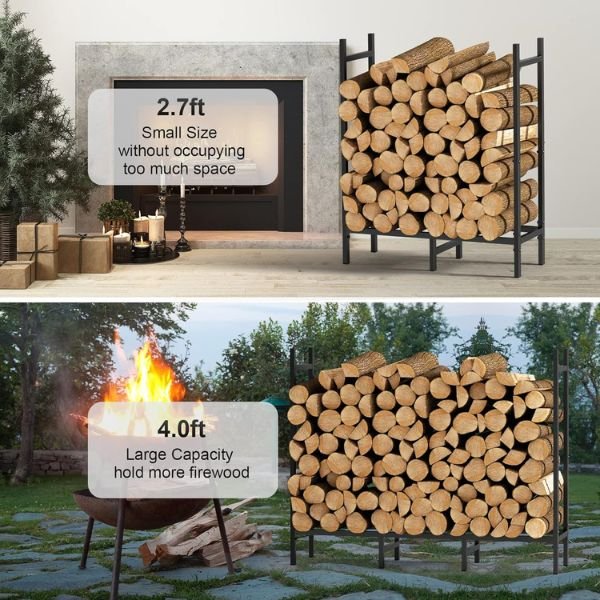
4FT Heavy-Duty Firewood Rack with 8 Support Legs
Indoor or outdoor, rain or shine — the last firewood rack your fireplace will ever need.
- 8 support legs — stable, firmer & safer than standard 4-leg racks
- Weather-resistant powder-coated steel — rustproof indoors & out
- Adjustable 3-section design — fits fireplace, porch, deck & backyard
- Quick assembly — just screws & a spanner, done in minutes
What Makes Log Storage in a Living Room Different From Anywhere Else
Storing logs indoors isn’t the same as stacking them outside. Firewood brings along bark, dust, and moisture. It also sits near heat sources, soft furnishings, and walkways, which means placement matters more than people realize.
Living rooms are shared spaces. They’re meant to feel open, relaxed, and intentional. Storage that looks fine in a garage or shed can feel overwhelming indoors. Logs also introduce visual weight. Too many, stacked poorly, can make a room feel heavy and unbalanced.
Another difference is use frequency. Logs aren’t decorative objects you admire and forget. They’re handled, carried, dropped, and restacked. Storage has to support that movement, not fight it.
How I Decide How Much Firewood Belongs Inside the Living Room
The first mistake I stopped making was over-storing logs indoors.
I now separate firewood into two categories: daily-use logs and reserve logs. Only what I realistically burn over a short period stays inside. Everything else lives outside in proper storage.
Fireplace type matters too. Open fireplaces burn through logs faster than stoves, but that doesn’t mean stacking a week’s supply inside. Storing too much wood indoors increases mess, dries logs too aggressively, and makes spaces feel crowded.
A good rule I follow is this: if logs start competing with furniture for visual attention, there are too many inside.
Built-In Log Storage That Feels Architectural, Not Rustic
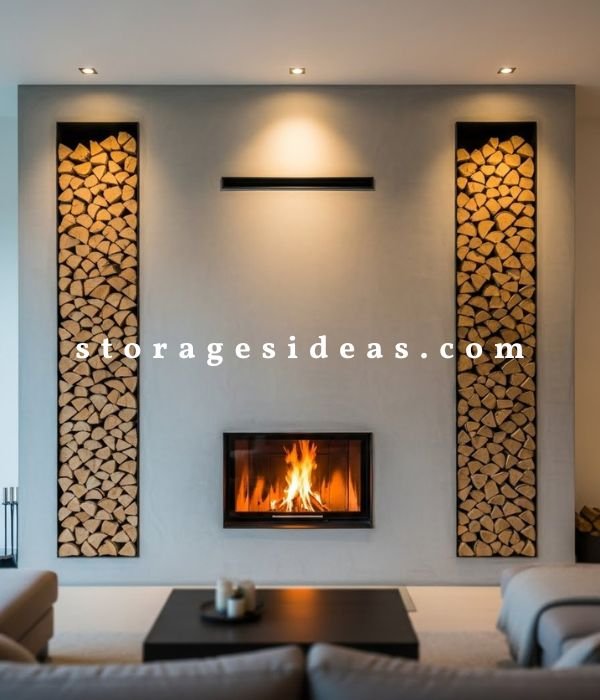
Built-in log storage works best when it looks intentional rather than improvised.
Recessed wall niches near fireplaces are one of the cleanest options. They keep logs contained, vertical, and visually framed. When designed well, they feel like part of the architecture instead of an add-on. This approach overlaps naturally with wall storage ideas for the living room, where vertical balance and visual calm matter just as much as capacity.
Alcove-style log bays work beautifully in larger living rooms or homes with traditional fireplaces. These bays prevent sprawl and keep logs from migrating across the floor. Similar principles apply when planning alcove storage ideas for living rooms, especially around focal walls.
Under-fireplace cavities are another option, but they must allow airflow to avoid trapping moisture.
Built-ins are worth considering when you’re renovating or updating a fireplace wall. When retrofitted poorly, though, they can feel forced and bulky.
Freestanding Log Storage for Flexible Living Rooms
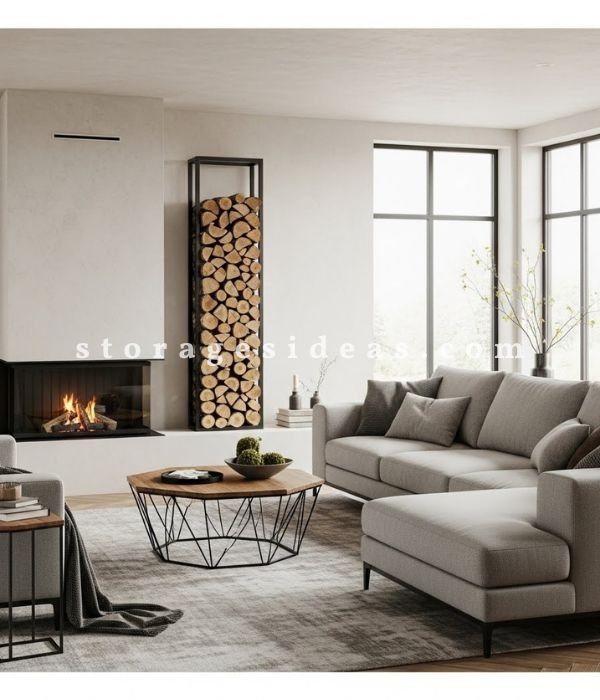
Not every living room can handle built-ins, and that’s where freestanding storage shines.
Vertical log holders are one of the most space-efficient solutions. They emphasize height over width and keep logs neatly aligned. Metal frames tend to look cleaner indoors and are easier to maintain than rustic wooden racks.
Floor cradles and low racks work better for wider hearths or traditional spaces. The key is containment. Once logs can roll or spread, clutter follows.
Freestanding storage gives flexibility. You can move it, adjust capacity seasonally, or swap styles without committing to permanent changes.
Log Storage Around Fireplaces Without Blocking Flow
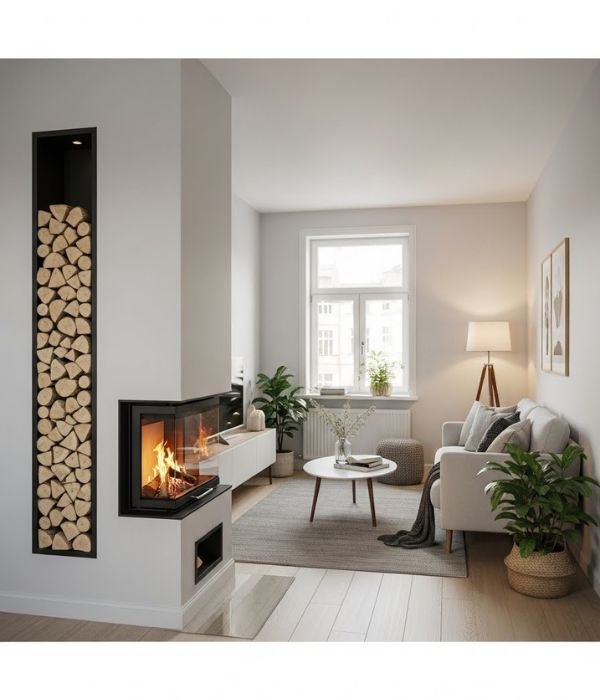
The area around a fireplace is prime real estate and also a high-risk zone for clutter.
Side-of-fireplace storage works best when it respects symmetry and spacing. A single log holder on one side often looks calmer than matching holders on both sides. If you do mirror storage, keep stacks low.
Front-hearth storage should always stay clear of walkways. Logs placed too far forward interrupt movement and create tripping hazards. Corners near fireplaces are useful, but only when they don’t interfere with seating or sightlines.
In many homes, fireplaces share space with media units, which is why the same balance rules used in TV and media storage ideas for shared living spaces apply here, too.
Clearance matters. Logs should never block airflow or press against hot surfaces. Safety always outranks aesthetics here.
Creative Log Storage Ideas for Small Living Rooms
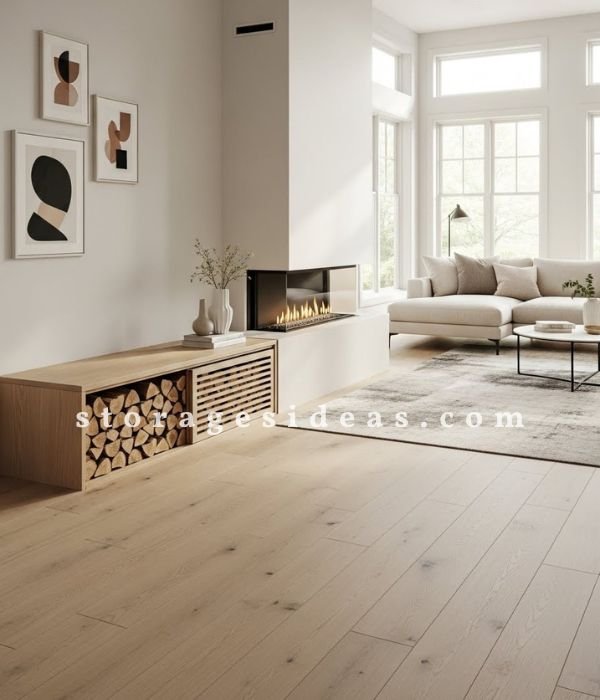
Small living rooms demand restraint.
Vertical storage becomes the priority. Tall, slim log holders store enough firewood without stealing floor space. Wall-adjacent placement keeps circulation paths clear.
Corners can work well if they’re not already visually busy. A narrow rack tucked beside the fireplace often disappears visually when kept tidy.
What doesn’t work in small spaces is over-wide baskets, loose piles, or horizontal racks that spread outward. These solutions might look charming in large rooms, but feel intrusive fast.
Hidden and Semi-Hidden Log Storage Options

Sometimes the best log storage is the kind you don’t see immediately.
Storage benches with ventilated compartments can hide logs while keeping them accessible. Cabinets with airflow slots work well in modern living rooms that prioritize clean lines.
Under-seat storage or enclosed hearth benches are smart options when you want warmth without visual texture. These setups also reduce bark mess and dust exposure.
Hidden storage works especially well when logs are functional rather than decorative. It keeps the room flexible and easier to maintain.
Styling Firewood as Part of the Living Room Decor
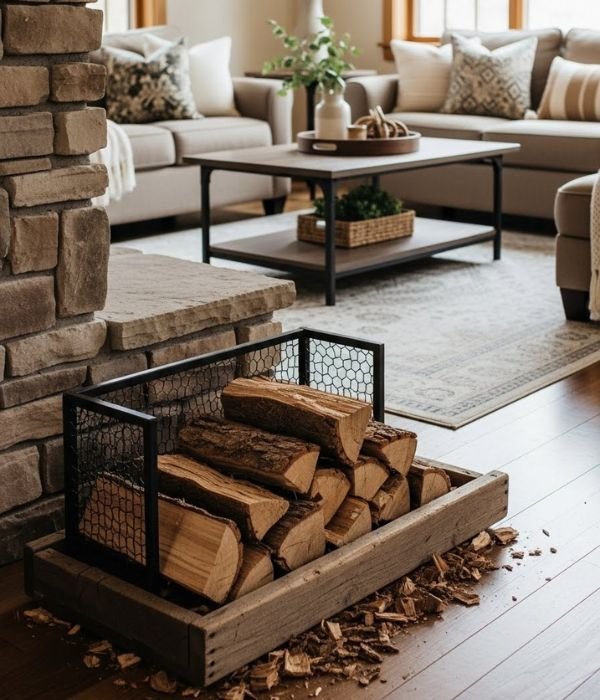
Firewood can add character when styled with intention.
Orientation matters. Logs stacked with cut ends facing outward create a patterned look, while lengthwise stacking feels calmer and more linear. Mixing both usually looks chaotic.
Wood type affects appearance, too. Pale woods brighten a space. Darker logs add contrast and weight. Keeping wood type consistent helps storage look curated rather than random.
Firewood pairs best with natural textures stone, wool, leather, and wood furniture. When surrounded by too many competing materials, logs lose their charm and become clutter.
Where Logs Actually Get Dropped (And How I Design Storage There)
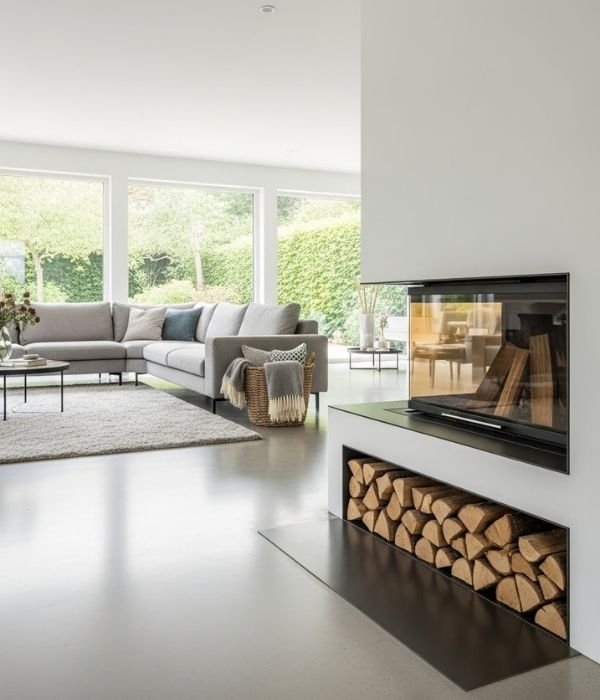
This is the part most advice skips.
Logs don’t teleport from outdoor storage to perfect indoor stacks. They get carried in, set down, and sorted later. If there’s no clear landing zone, mess spreads.
I design a transitional drop spot near the entry or fireplace, a temporary area where logs land before being stacked. This prevents bark trails across the room and keeps dirt contained.
Once logs have a defined entry path, daily mess drops dramatically. Storage works best when it supports the full journey of firewood, not just where it ends up.
Keeping Indoor Log Storage Clean, Dry, and Safe
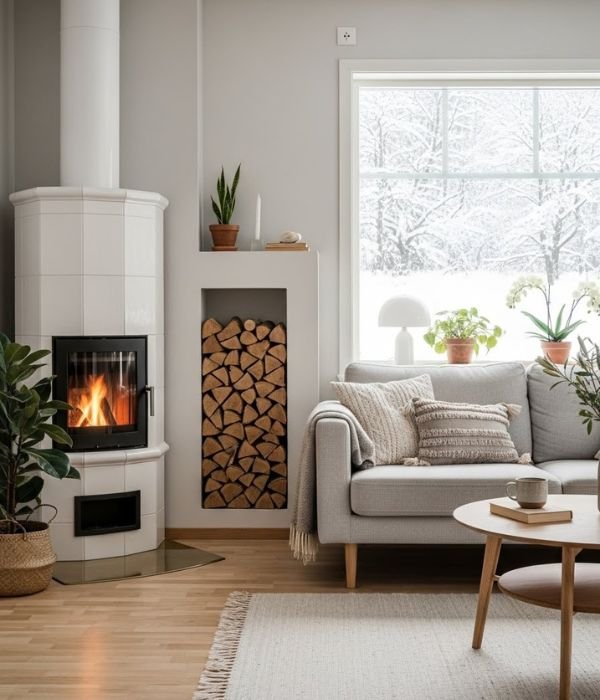
Cleanliness starts with dryness. Only seasoned, dry logs belong inside. Damp wood creates odor, mold risk, and extra debris.
I use trays, mats, or metal bases under log holders to protect floors. Regular sweeping around storage areas prevents bark buildup from spreading.
Ventilation matters. Logs need airflow to stay dry, especially in enclosed storage. Avoid airtight containers or tightly packed cabinets without vents.
For safety, it helps to follow basic firewood storage safety guidelines, especially regarding clearance from heat sources and indoor fire risks.
Safety-wise, logs should never sit where they can roll into walkways or touch hot surfaces. Stability is non-negotiable.
Seasonal Log Rotation: How I Balance Indoor and Outdoor Storage
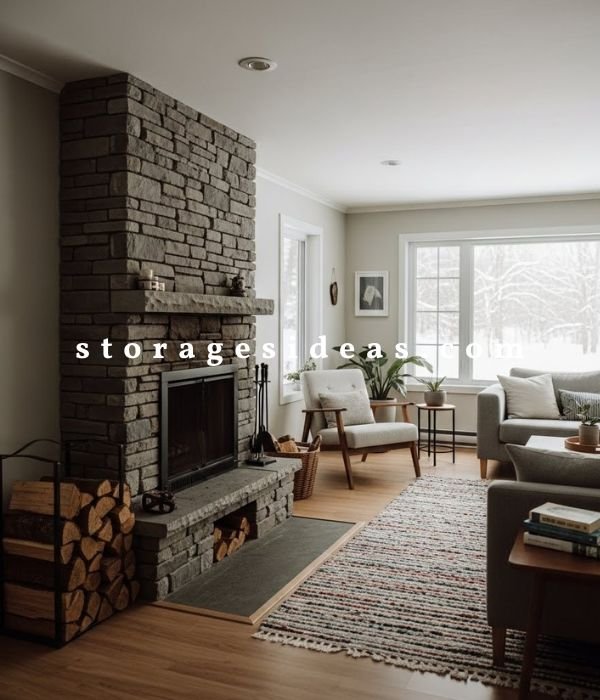
Indoor log storage should change with the seasons.
In winter, I keep a modest supply inside and restock frequently. In milder seasons, logs move out almost entirely. This prevents overdrying indoors and keeps the living room lighter.
Seasonal rotation also reduces visual fatigue. A room that constantly displays logs can start to feel heavy. Rotating storage keeps the space feeling intentional year-round.
Common Living Room Log Storage Mistakes I See Repeatedly
The biggest mistake is storing too much wood indoors for the sake of looks. Overstacking creates a mess, blocks airflow, and overwhelms rooms.
Another common issue is storing unclean logs inside. Bark, dirt, and insects don’t belong in living spaces.
Finally, treating log storage as pure decor leads to impractical setups. If storage looks good but is annoying to use, it won’t last.
FAQs
How many logs should be stored in a living room?
Only enough for short-term use. A small, controlled supply works better than large stacks.
Is it safe to store firewood indoors?
Yes, if the wood is dry, storage allows airflow, and logs are kept clear of heat sources.
Should logs be stacked or loosely stored?
Stacking provides stability and reduces mess. Loose piles spread debris quickly.
How do I prevent bark mess on floors?
Use trays or mats under storage and avoid bringing in overly barky logs.
Can indoor logs attract insects?
Dry, seasoned wood minimizes risk. Never store damp or freshly cut logs inside.
Final Thoughts
Firewood brings warmth and atmosphere, but only when stored with intention. The best living room log storage ideas respect safety, cleanliness, and how logs actually move through a space. When storage supports real use instead of just visual appeal, the living room stays calm and welcoming.
A well-stored log pile doesn’t shout for attention. It quietly adds warmth without the mess that usually comes with it.
