
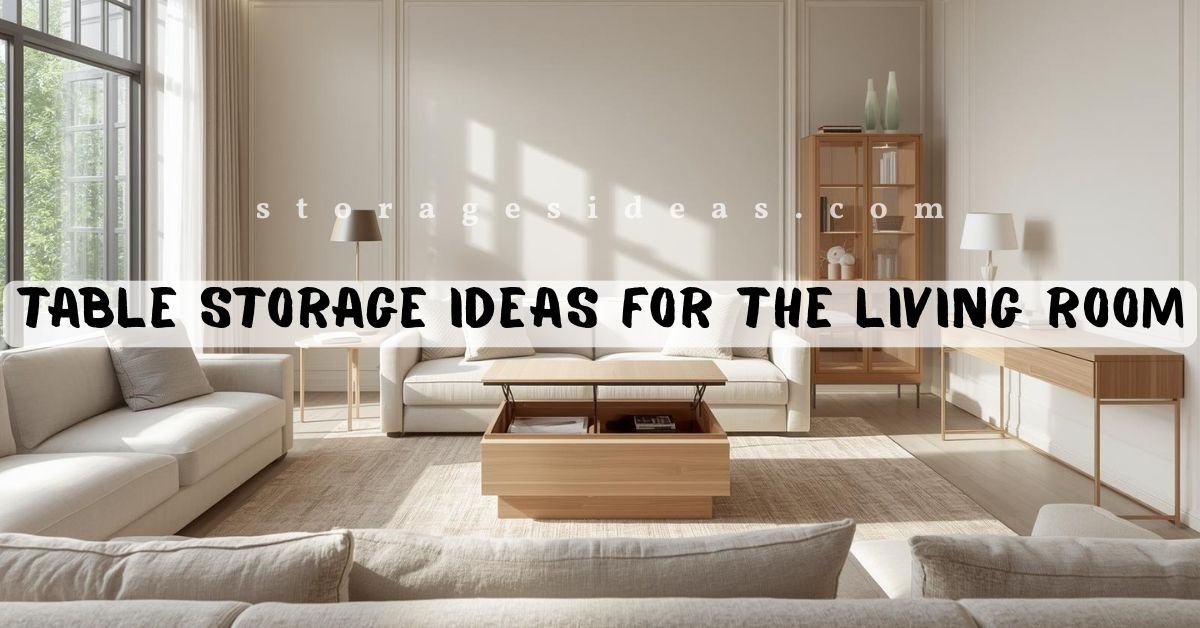
Table surfaces are where clutter quietly takes over. I’ve watched it happen in my own living room more times than I can count. A remote left after movie night. A charger that never quite makes it back to a drawer. A stack of mail that was meant to be sorted later. Before long, every table becomes a landing zone, and the room starts feeling messy even when it’s technically clean.
What finally clicked for me was this: clutter wasn’t the problem. The lack of functional table storage ideas for the living room was. I had plenty of tables, but none of them helped me manage daily tasks. Once I started intentionally choosing tables that could store things, the living room became easier to use and far easier to reset.
This guide looks at every type of table used in a living room and explains how each one can carry storage quietly, without making the space feel heavy, crowded, or overdesigned.
Why Tables Are the Most Overlooked Storage Opportunity
Tables sit exactly where life happens. That’s why they collect clutter faster than shelves or cabinets. When something doesn’t have a clear home nearby, it ends up on the nearest flat surface.
For years, I tried to fix this with wall shelves and extra cabinets. They helped, but they also added visual weight. Tables work differently. They stay low, close to seating, and within reach. When they include storage, they reduce clutter without shouting for attention.
Another reason tables are overlooked is that people expect them to stay empty. That expectation doesn’t match real life. When I accepted that tables would be used daily, I stopped fighting the mess and started designing around it.
This approach works especially well when paired with other smart wall storage living room ideas that handle overflow while tables manage everyday items at arm’s reach.
Coffee Tables With Storage: The Real Workhorse of the Living Room
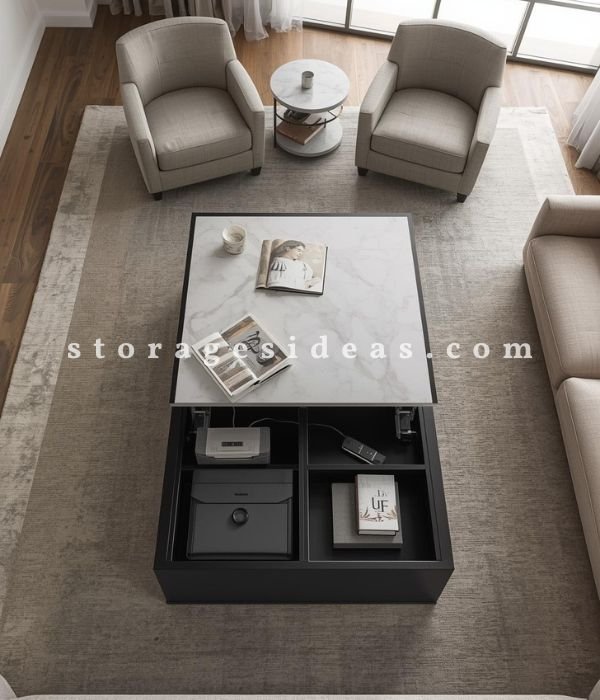
If there’s one table that earns its place the hardest, it’s the coffee table. It sits at the center of the seating area, which makes it the natural drop zone for almost everything.
Lift-top coffee tables changed how my living room functioned. They let me store everyday items inside while keeping the surface clear. When the top lifts, the table becomes a workspace, dining spot, or laptop stand. When it closes, visual clutter disappears instantly. This is especially useful in living rooms that double as work-from-home spaces.
Drawer-style coffee tables work well when you want faster access. I use drawers for remotes, coasters, charging cables, and notebooks. Because drawers limit space, they naturally prevent overstuffing.
This setup pairs well with structured layouts often seen in TV & media storage ideas, where central furniture quietly manages accessories instead of leaving them out.
Shelf-bottom coffee tables require more discipline. I only use them with baskets, and I limit those baskets to specific categories. Without that structure, shelf-bottom tables quickly become visual noise.
What I’ve learned is simple: a coffee table without storage almost always creates more clutter than it solves.
Side Tables That Support Daily Comfort
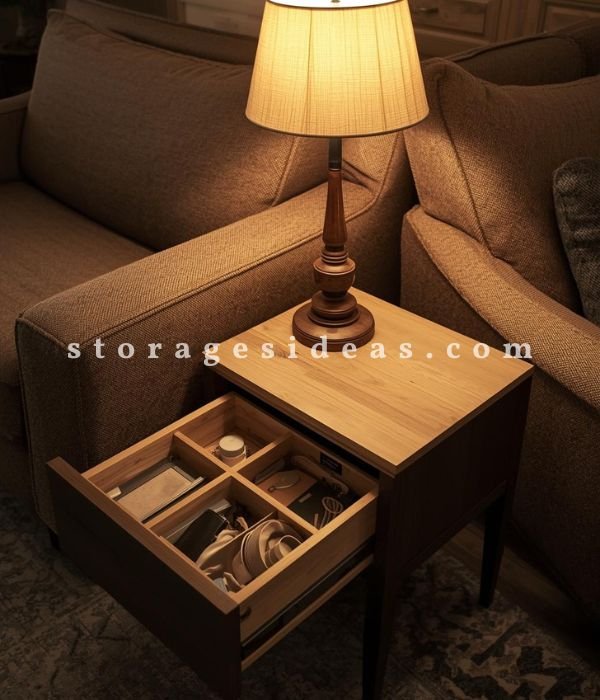
Side tables sit closer to where we relax, which makes their role more important than people realize. When they don’t offer storage, small items migrate to the sofa or coffee table instead.
I now look for side tables with at least one drawer or a small lower shelf. A single drawer beside the sofa can hold reading glasses, earbuds, lip balm, or charging cords. These are items I reach for often but don’t want visible.
Open-shelf side tables can work, but only when paired with a container. A basket or box gives the shelf a purpose and keeps items visually contained. Without that, the shelf becomes cluttered fast.
C-tables deserve special attention. Because they slide under sofas and chairs, they’re perfect for small or flexible living rooms. Even minimal storage in a C-table reduces surface clutter nearby.
A good side table should reduce movement. The less often I have to get up to grab something, the calmer the room feels.
Many of these strategies overlap with small living room furniture ideas, where every piece has to earn its footprint.
Console Tables as Long-Range Storage Anchors
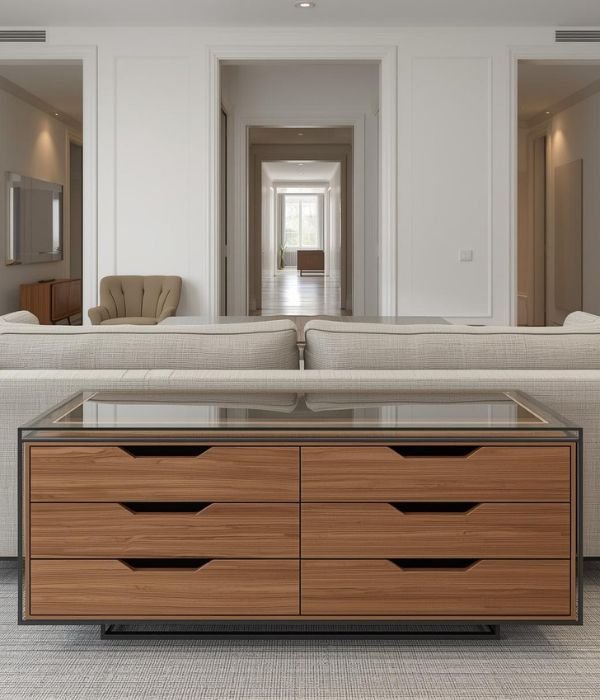
Console tables are one of the most underused storage tools in the living room. I’ve used them behind sofas, along long walls, and near open-plan entry points, and they consistently add storage without bulk.
Behind-the-sofa consoles help define the seating area while offering drawers or shelves for storage. I often use them for charging stations, books, or items that don’t belong on the coffee table.
Along walls, console tables work best when their storage is hidden. Drawers are ideal here because they instantly clean up visual clutter. Open consoles can work too, but only when baskets are used consistently and thoughtfully.
One rule I follow with console tables is surface control. The top should never become a dumping ground. When the surface stays mostly clear, the entire room feels more intentional.
Nesting and Modular Tables That Adapt to Movement
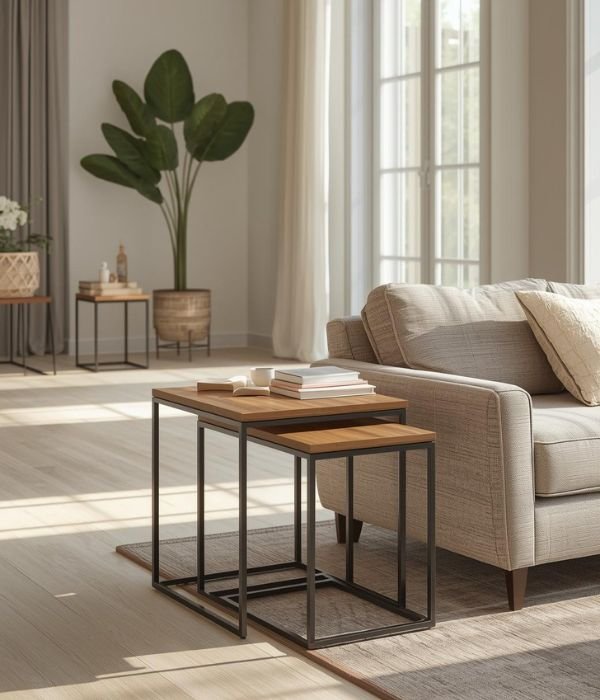
Nesting tables surprised me the most. At first, I thought they were purely decorative. Once I started using them intentionally, they became some of the most flexible storage pieces in my living room.
The largest table usually handles everyday items. Smaller tables move where they’re needed beside a chair, near guests, or next to the sofa. Some nesting tables include shelves or compartments, which makes them even more practical.
Modular tables work similarly. I like that they can be grouped or separated depending on how the room is used. This flexibility is especially helpful in living rooms that host guests often or change layouts frequently.
Accent Tables With Hidden Storage in Awkward Spaces
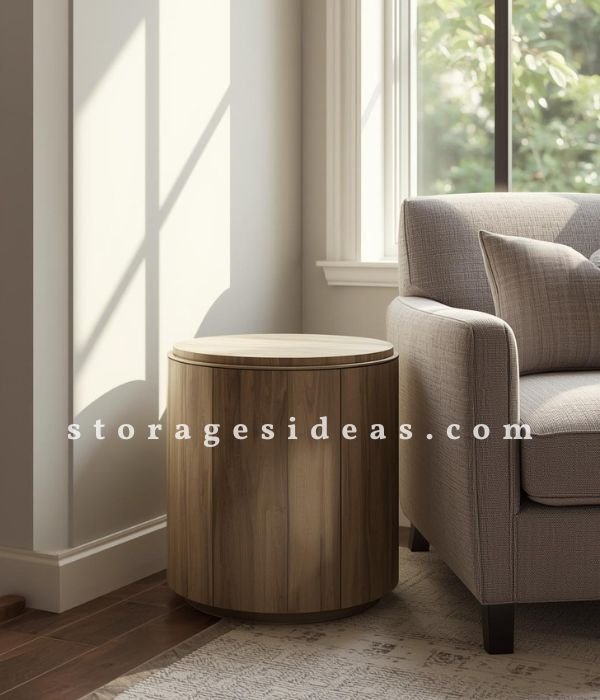
Accent tables shine in spaces where nothing else fits. Corners, tight gaps beside chairs, and areas near windows often feel unfinished until the right small table is added.
Drum tables with hidden compartments are one of my favorite options. They look sculptural but open to reveal storage inside. Small round tables with shelves work well when paired with minimal items. Compact cube tables that open from the top also handle clutter quietly.
Because accent tables are small, they don’t overwhelm the space. Their storage feels like a bonus rather than the main attraction.
Multi-Purpose Tables That Replace Extra Furniture
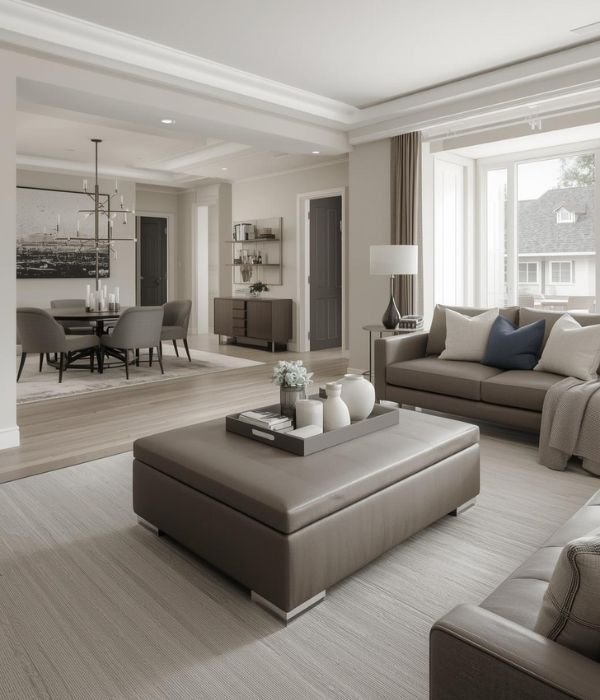
One of the biggest improvements I made was choosing tables that do more than one job. When a single piece replaces two or three others, the room feels lighter immediately.
Ottoman-style tables with internal storage can replace a coffee table, footrest, and extra seating. Side tables with shelves eliminate the need for additional baskets. Console tables with drawers remove the need for small cabinets.
Fewer furniture pieces mean fewer surfaces, and fewer surfaces mean less clutter.
Table Storage Strategies for Small Living Rooms
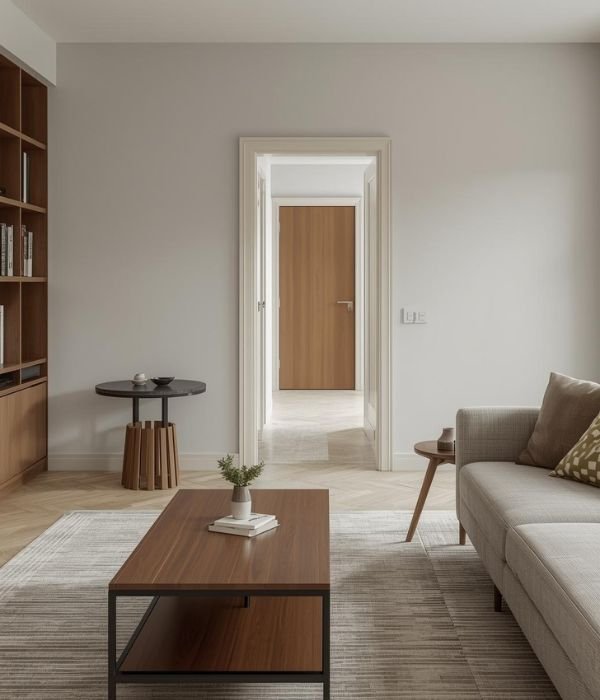
In small living rooms, table choice can make or break the layout. I focus on proportion first. Tables that are too deep block movement. Tables that are too tall feel awkward.
Tables with visible legs feel lighter because they allow light and sightlines to pass through. Slim profiles work better than bulky bases. Lift-top tables are especially valuable because they replace desks, trays, or extra surfaces.
I avoid tables that require clearance on all sides. In tight spaces, furniture should tuck in, slide, or adapt easily.
Good table storage in a small living room should feel almost invisible when it’s not in use.
What Belongs Inside Table Storage and What Doesn’t
Table storage works best when it’s intentional. I treat it as short-term, daily-use storage, not a long-term holding area.
Inside tables, I keep items I use regularly: remotes, chargers, coasters, notebooks, current books, and small games. These items benefit from being close but hidden.
What I never store inside tables are important papers, tools, random cords, or “temporary” clutter. If I forget what’s inside a table, that’s my signal I’ve gone too far.
Tables should support daily life, not become junk drawers.
How I Keep Table Storage From Falling Apart Over Time
Even the best storage fails without habits. I keep table storage under control with a few simple rules.
If an item doesn’t belong in the living room, it doesn’t go on a table. If something hasn’t been used in a month, it gets removed. Once a month, I do a quick reset to clear out items that slipped in without permission.
These small resets prevent clutter from slowly creeping back in.
When using tables that include storage, especially lift-tops or heavy lids, I also pay attention to basic furniture safety guidance shared by the U.S. Consumer Product Safety Commission. Proper placement and stability matter, especially in busy living rooms.
FAQs
Is table storage really worth it?
Yes. It reduces visible clutter without adding more furniture.
Which table type offers the most storage?
Coffee tables with lift-tops or drawers usually handle the most.
Can table storage replace shelves?
In many cases, yes, especially for everyday items.
How much storage is too much?
If you forget what’s inside, it’s too much.
Final Thoughts
When I stopped treating tables as simple surfaces and started seeing them as quiet storage tools, my living room changed in a lasting way. Clutter stopped spreading because everyday items finally had places that made sense. Resetting the room no longer felt like a chore. It became part of the routine.
Good table storage ideas for the living room aren’t about trends or buying more furniture. It’s about choosing pieces that support real behavior. Coffee tables that hide daily clutter. Side tables that keep essentials within reach. Console tables that manage overflow without dominating the space.
When tables earn their place, they don’t demand attention.
They quietly support the room, and that’s exactly what good storage should do.
