
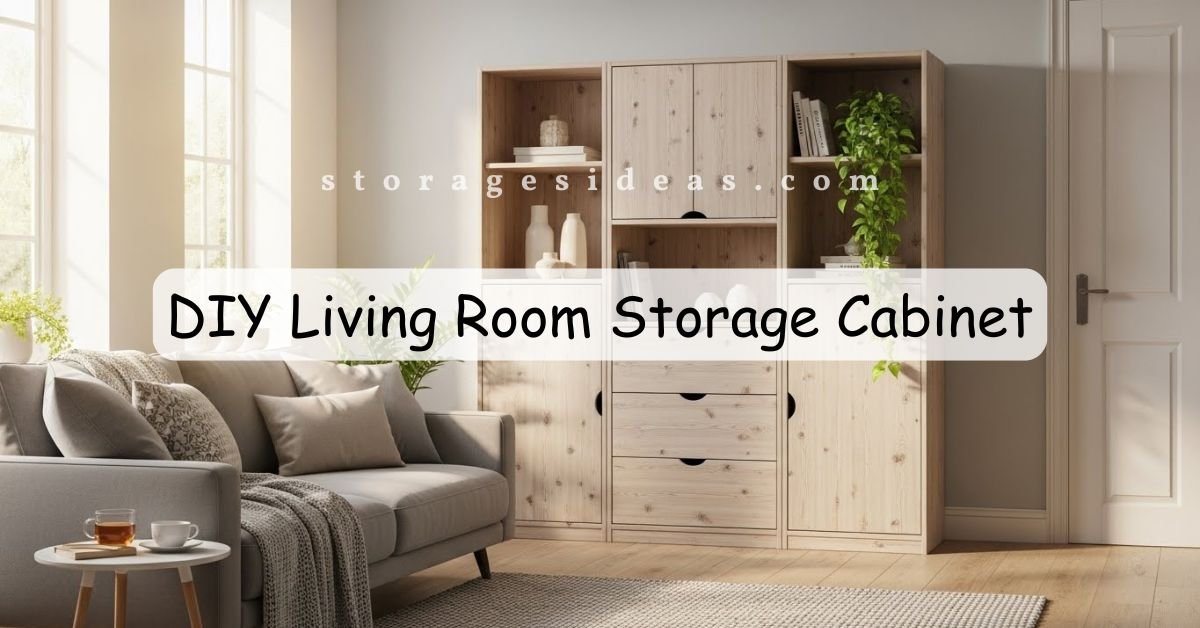
I never realized how much storage my living room needed until things started piling up in places they definitely didn’t belong. Books on the floor. Blankets tossed on chairs. A stack of remotes and random chargers that seemed to multiply overnight. I tried buying a cabinet once, but nothing fit the space or matched what I needed. That’s when I finally decided to explore diy living room storage cabinet ideas that I could build myself.
Building my own cabinet felt a little intimidating at first, but once I got into it, I realized how much freedom it gave me. I could choose the exact size, style, and configuration. I could control the budget. And most importantly, I could finally give everything in my living room a proper place.
If you’re thinking about building your own cabinet too, here are the 11 smart DIY ideas that helped me transform my space, along with a breakdown of why they work, what they actually are, and how I built or used them.
Why I Decided to Build My Own Living Room Cabinet
I reached a point where buying another piece of furniture didn’t feel right. Either the store-bought options were too expensive, or they didn’t fit the odd dimensions of my living room. And even the “affordable” ones felt flimsy.
Building my own gave me:
- Control over the size
- flexibility in design
- better durability
- real savings
- and honestly… a fun project
Plus, I’ve done other DIY projects before, like solving clutter in my workout equipment storage area, so I knew a custom cabinet wasn’t out of reach.
11 DIY Living Room Storage Cabinet Ideas You Can Actually Build
Here are the storage cabinet ideas that helped me organize my living room and make the space work better for everyday life.
1. Simple DIY Cabinet Using Basic Tools
Why I Started With This Option
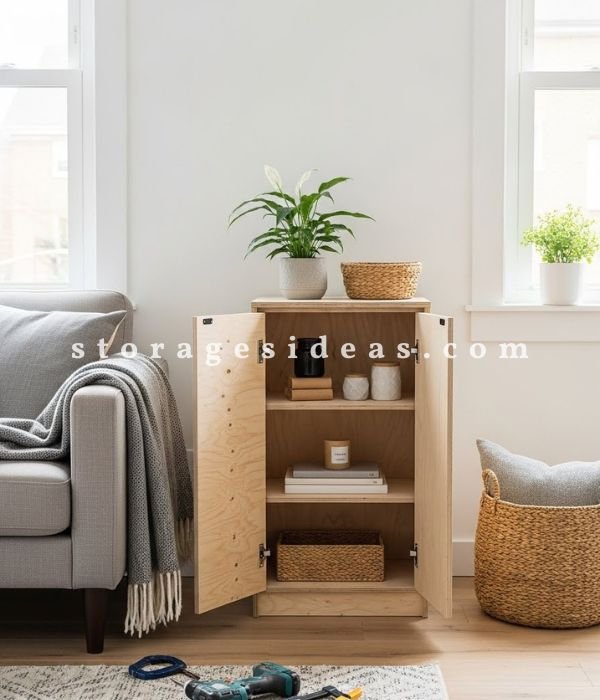
I wanted a project that wouldn’t overwhelm me or require tools I didn’t own. A simple cabinet made sense because it’s the easiest way to learn basic construction without diving into complicated joinery. It also gave me something I could customize later if my storage needs changed. This option is perfect for small living room spaces or anyone who wants a quick weekend build.
What This Cabinet Looks Like
Think of a strong, clean-lined box with one or two doors and a few adjustable shelves inside. Nothing dramatic, but extremely practical. You can size it tall, short, or somewhere in between. Some people leave it open; others add doors for a cleaner look. It blends into any room style depending on the paint, hardware, or trim you choose.
How I Built It
I used plywood for the frame, pocket holes for assembly, and simple hinges for the doors. The build took a few hours, and the hardest part was waiting for the paint to dry. One thing that helped was using clamps to keep everything square while assembling the cabinet. Once it was up, I added baskets and small organizers inside to keep the smaller items under control. If you’ve done projects like organizing your workout equipment area or a simple home upgrade, this cabinet is just as approachable. It felt as simple as a small home upgrade I tried before, but with a much bigger payoff.
2. Built-In Style DIY Cabinet Wall
Why I Wanted the Built-In Look
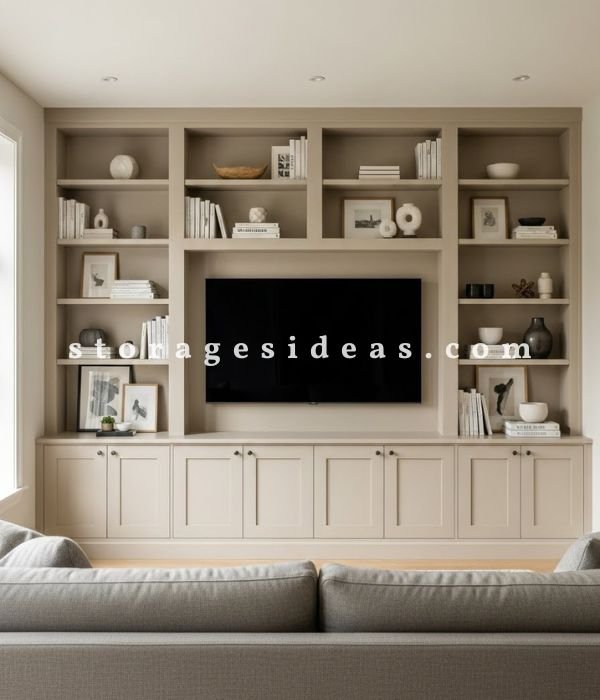
That one empty wall in my living room felt like a missed opportunity. I wanted something that added storage without looking like another piece of standalone furniture. Built-ins have a way of giving a room instant structure. They also add value because they look intentional and polished.
What This Project Involves
A built-in style wall usually includes several cabinets arranged side by side, topped with shelving or a full surround. The magic is in the finishing touches: trim, caulk, and paint. These small details turn store-bought boxes into a custom-looking feature.
How I Built Mine
I started with standard cabinet boxes as the base units. I anchored them to the wall, added spacers on the sides, then attached vertical boards to create a seamless face. After that, I installed upper shelves for books and decor. Once everything was caulked and painted the same color (a trick I picked up from earlier home projects), the whole wall looked like it had always been part of the house. It’s a bigger project, but the results feel incredibly rewarding, especially if you’ve been craving more organization, just like some of the vertical wall storage ideas I used in another living room project.
3. Floating Storage Cabinet for an Airy Look
Why I Chose a Floating Design
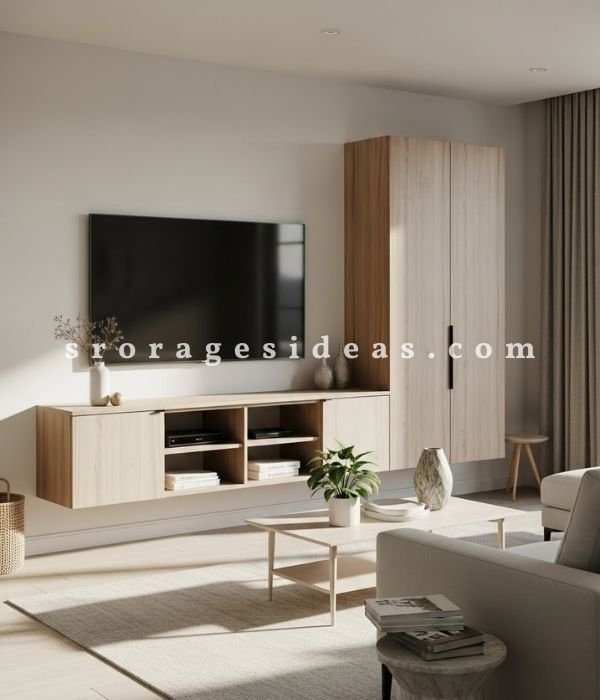
My living room always felt a bit cramped, thanks to too many items sitting directly on the floor. A floating cabinet gave me storage and the illusion of extra space. Lifting furniture off the ground helps the room feel lighter, a trick I’ve used in other small-space solutions, too. It also makes cleaning easier, which my dust bunnies were not thrilled about.
What Makes It Different
A floating cabinet is basically a slim storage box that attaches directly to the wall with concealed brackets. No legs. No bulky base. Just clean, modern lines. You can build one long cabinet or create a series of smaller ones, depending on how wide your wall is and how much storage you need.
How I Installed It
I built a narrow cabinet with two front doors and reinforced the back panel so it could support more weight. Then I found the wall studs, mounted a heavy-duty cleat, and hung the cabinet on it. Once painted, it looked like it was simply “floating.” I used it to store remotes, cords, and all the little things that usually clutter the coffee table. You can scale this design up or down; even a short cabinet makes a huge visual difference.
4. Modular Stackable Cabinets
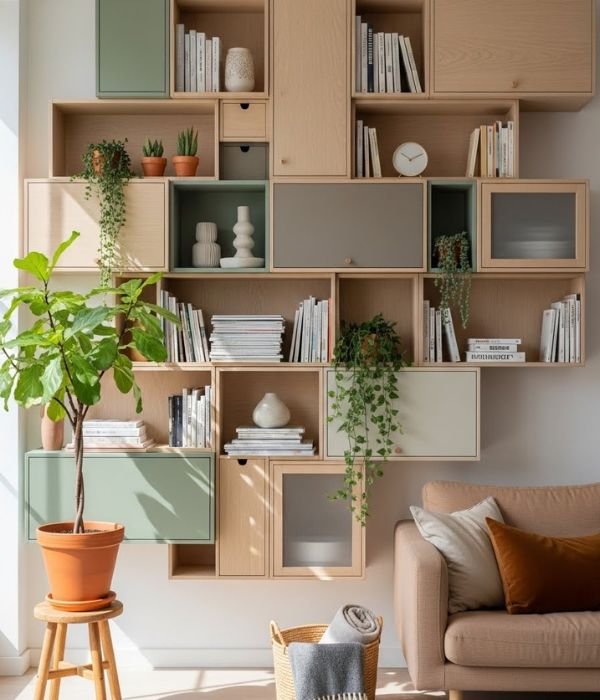
Why Modular Was the Right Move
I’m someone who likes rearranging my living room… a lot. Some days the sofa belongs under the window, and other days I’m convinced it should be across the room. A single fixed cabinet wouldn’t keep up with me. Modular cabinets let me build a system that changes whenever I do. They’re also easier to move around if you ever change homes.
What Modular Cabinets Are
Each cabinet is an individual “unit,” basically a cube or rectangular box that you can stack, line up, or separate. Think of them like building blocks for adults. You can mix open and closed designs, add drawers, or keep everything behind doors. They work in small living rooms, large living rooms, or awkward layouts where no single cabinet seems to fit.
How I Built Them
I cut plywood panels to size and built matching boxes using pocket-hole screws. Keeping each unit the same width made stacking easier. I added optional doors to some boxes and left others open for decor or books. After stacking, I secured everything to the wall for safety. The best part is that I can rearrange the layout anytime, more height, more width, or a completely new shape. This design is extremely flexible and feels almost custom without the custom price tag.
Read More- my living room with bike storage project
5. DIY Sideboard Cabinet for Extra Surface Space
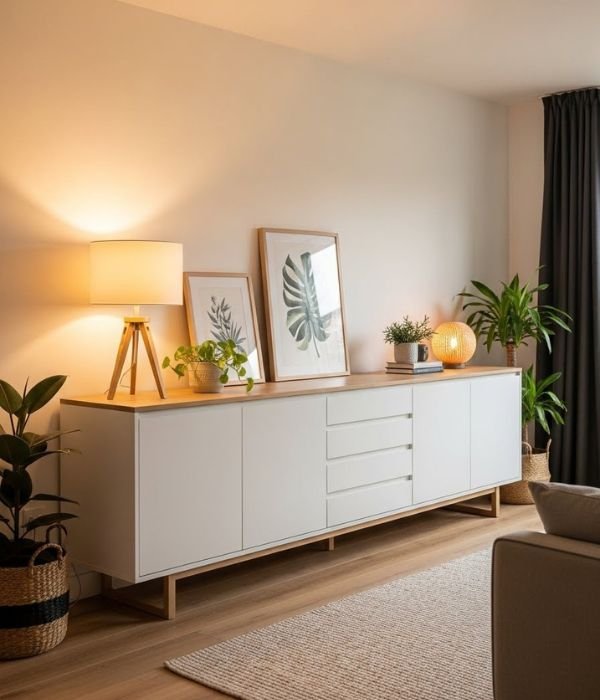
Why I Needed This Style
My living room always felt like it was missing a long surface for decor and lighting. I also needed more storage, but I didn’t want another tall unit that visually crowded the room. A sideboard cabinet gave me both things at once: a clean surface to style and a lot of hidden interior space.
What This Cabinet Looks Like
A sideboard is long, low, and usually sits along a wall behind the sofa or near the dining area. Mine has doors instead of drawers because I wanted faster access and more room inside for bigger items. The slim profile also keeps the room feeling open.
How I Built Mine
I built a wide frame using plywood and added vertical dividers inside so the shelves wouldn’t sag over time. Then I installed lightweight doors for a modern, smooth look. The top became an instant display area for plants, baskets, and a lamp. This cabinet holds everything from board games to throw blankets, basically the things that used to float around the living room like they didn’t have a home.
If you want extra inspiration for cabinet styles and finishes, this living room cabinet photo gallery from Houzz offers plenty of ideas:
6. Window-Bench Storage Cabinet
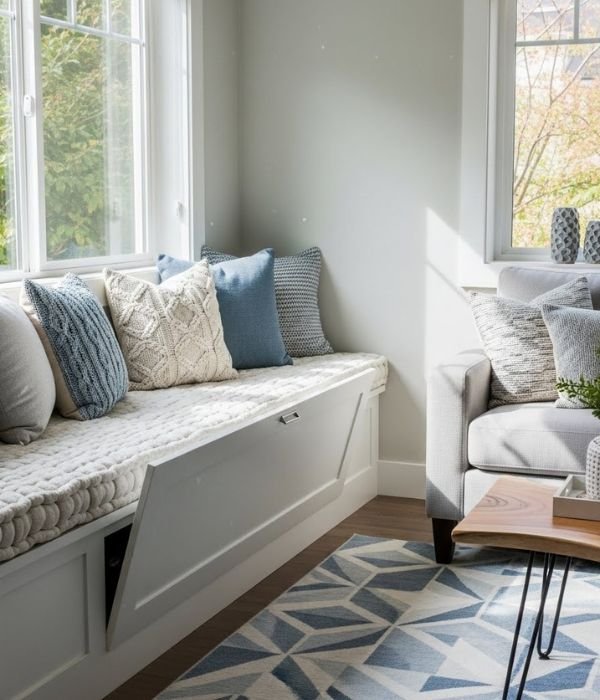
Why This Idea Stood Out
That awkward space under my living room window used to be empty. It felt like wasted space, especially in a room where I needed storage. A window bench gave me a comfortable seating spot and a hidden storage solution in one project.
What This Cabinet Does
It works as both a bench and a cabinet. The inside can hold pillows, blankets, seasonal items, or anything bulky. The outside looks clean and built-in, and the top becomes a cozy seating area.
How I Built It
I made a low base cabinet that stretched wall-to-wall under the window. I added a hinge-top lid so I could open it like a chest, although front-opening doors work too. After painting it to match the walls, I added a bench cushion and a few pillows. Now it’s one of my favorite spots in the house, and it hides way more clutter than I expected.
7. DIY Media Cabinet With Hidden Cable Storage
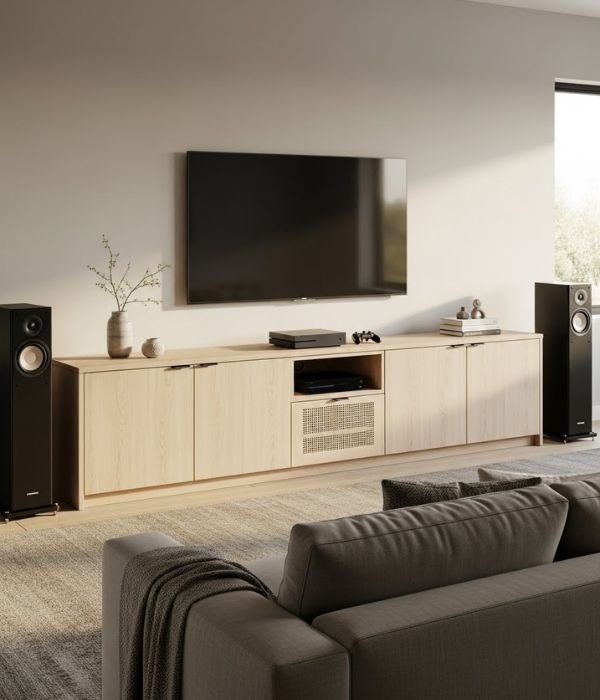
Why I Needed This So Badly
My TV area looked messy no matter what I did. Cables everywhere. Game controllers on the floor. Chargers peeking out from behind the stand. I needed a cabinet that could hide everything without turning into an oven for my electronics.
What This Cabinet Solves
A media cabinet hides the mess behind closed doors while providing ventilation for devices. It also gives extra space for speakers, remotes, and other items that tend to wander around the room.
How I Made Mine
I built a medium-depth cabinet and added holes in the back panel for airflow. I included cable channels that let wires pass from one shelf to another. Once everything was tucked away, the TV wall finally looked clean. As a bonus, I added soft-close hinges, something I didn’t think would matter but absolutely does.
8. Reclaimed Wood Storage Cabinet
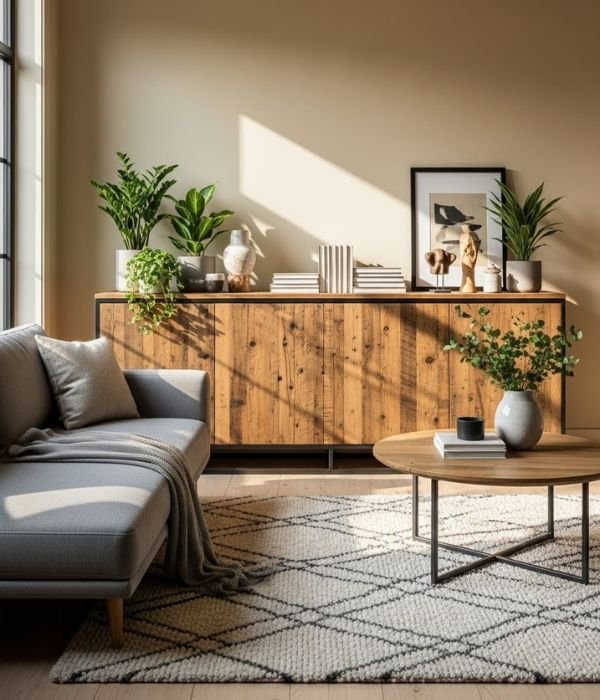
Why I Loved This Option
I wanted something with warmth and personality. Reclaimed wood has that lived-in character that new lumber just doesn’t offer. Plus, it’s budget-friendly if you already have leftover boards from previous projects.
What It Looks Like
This cabinet has a slightly rustic feel but still looks modern when paired with clean lines. The mix of tones in reclaimed wood gives it depth and makes it stand out as a statement piece.
How I Built It
I chose the straightest reclaimed boards I had, sanded them smooth, and used them to build a simple frame. I sealed the wood with a matte finish to keep the natural look. Inside, I added a couple of shelves for structure. This became the piece everyone comments on first when they walk into the room.
9. Narrow Cabinet for Tight Living Rooms
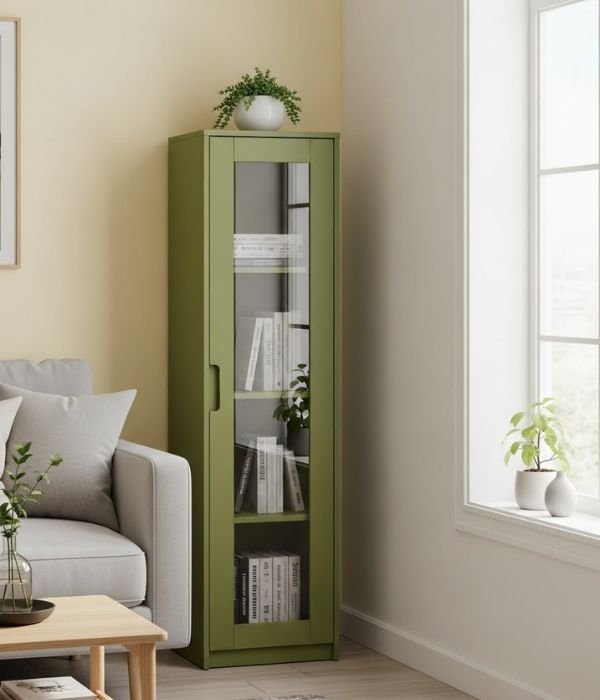
Why I Needed a Slim Design
Some corners in my living room were too shallow for standard cabinets. But I still needed storage in those areas, especially for small items that had nowhere to go.
What This Cabinet Is
A tall, skinny cabinet with one narrow door. It’s designed to take up very little floor space while offering vertical storage inside.
How I Built It
I made a slim frame using plywood and added small shelves inside for structure. Because it’s so tall and narrow, anchoring it to the wall was important. Once painted, it blended in seamlessly with the room. It’s surprising how much it holds, from candles and notebooks to cleaning supplies.
10. Hidden Storage Cabinet Behind an Art Panel
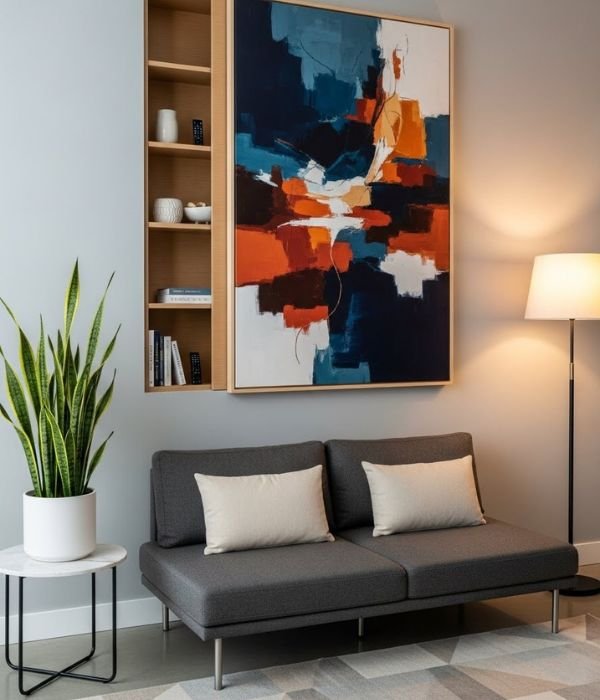
Why This Is One of My Favorite Ideas
Sometimes I want invisible storage. Not disguised, invisible. A hidden cabinet behind an art piece gave me a clever place to stash things without interrupting the style of the room.
What Makes It Unique
The “door” is actually a large framed art print. It swings open on hinges to reveal a shallow cabinet inside. It’s perfect for storing things you want easy access to but don’t want sitting out.
How I Created It
I built a shallow recessed cabinet between studs, though surface-mount works too. Then I attached a hinge to a large picture frame and adjusted the depth so the frame sat flush against the wall. Now it looks like a regular art piece until you open it and discover the hidden space behind it.
11. Renter-Friendly Cabinet Hacks
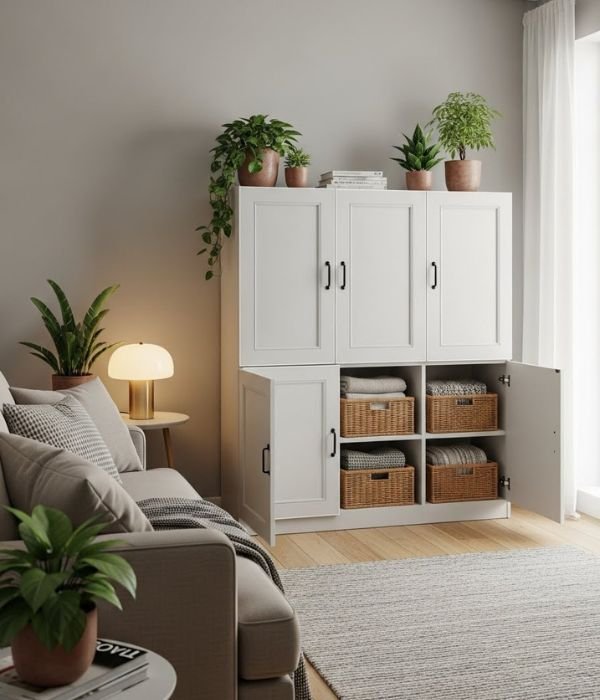
Why This Idea Matters
Not everyone can drill holes or build a full cabinet. Some people rent. Some people just don’t want to deal with sawdust. That’s why renter-friendly upgrades are important.
What These Hacks Include
Flat-pack cabinets you can personalize
Peel-and-stick wood textures
Upgraded handles
Organizer baskets
Furniture risers for added height
How I Put It Together
I bought an affordable cabinet kit and added stick-on trim to make it look more upscale. Changing the hardware alone made a huge difference. Inside, I added fabric baskets to keep everything from collapsing into a messy pile. No drilling, no woodworking, and still a cleaner living room.
Final Thoughts
Exploring different diy living room storage cabinet ideas changed the way my living room feels and functions. Instead of fighting clutter, I finally had storage that made sense. Each project taught me something new, and building my own cabinet ended up being easier than I expected.
If you’re thinking about creating your own, start simple, stay patient, and pick a design that fits your space. You might end up enjoying the process as much as the final result, also you can explore some of the storage ideas I used in other rooms, too.
